Group travel has a unique rhythm, a shared energy that can create lifelong memories. Yet, we’ve all seen it happen: the trip’s harmony frays before the plane even takes off, often over something as simple as a forgotten charger or a surprisingly heavy suitcase. The friction rarely comes from the adventure itself but from the small, avoidable logistical failures. A successful group trip isn’t just about a shared destination; it’s about a shared mindset, and that begins with a packing strategy that functions as a blueprint for collaboration.
Establishing Your Group’s Packing Blueprint
Before anyone pulls a suitcase from the closet, the most important step is to align on a shared packing philosophy. This initial planning phase is not about listing items but about building a framework for a smooth, efficient, and conflict-free journey. It’s the foundation upon which the entire adventure is built, ensuring everyone is on the same page long before you reach the airport.
The Importance of a Pre-Trip Packing Huddle
A dedicated conversation about packing is non-negotiable. Think of it as your first team meeting. This is where you reconcile different travel styles. In every group, there’s the minimalist who travels with just a carry-on and the “just-in-case” packer who brings three of everything. Neither is wrong, but their approaches can clash without a pre-trip huddle. This conversation sets expectations, preventing the on-road resentment that builds when one person feels they are carrying more than their share or another feels unprepared. It’s a simple act of communication that pays dividends in group morale.
Creating a Collaborative Digital Packing List
Verbal agreements are good, but a central document is better. Use a tool like Google Sheets or Notion to create a collaborative packing list template that becomes the single source of truth for your trip. This isn’t just a checklist; it’s a dynamic plan. Structure it with three core categories:
- Individual Essentials: Items each person must pack for themselves, like clothing, medication, and passports.
- Shared Group Gear: Communal items that only one person needs to bring, such as a first-aid kit or a universal power adapter.
- Destination-Specific Items: Gear required for your particular adventure, like reef-safe sunscreen for a beach trip or hiking poles for a mountain trek.
This digital hub ensures transparency and prevents costly duplication. Everyone can see what’s covered and what they are responsible for.
Assigning ‘Gear Captains’ for Key Categories
To take collaboration a step further, assign “Gear Captains.” This simple delegation of responsibility ensures specialized items are well-planned. For example, a ‘First-Aid Captain’ takes ownership of building a comprehensive medical kit, researching any destination-specific health needs. A ‘Tech Captain’ manages all shared electronics, ensuring the group has the right adapters, power banks, and chargers. This approach leverages individual strengths and interests while making sure nothing critical falls through the cracks.
Setting a Luggage Size and Weight Agreement
Finally, address the practicalities of luggage. We’ve all felt the stress of trying to fit four large suitcases into a compact rental car. Agreeing on a standard luggage size and weight limit from the start is crucial. This decision directly impacts your mobility. It determines whether you can navigate crowded train stations with ease, avoid exorbitant fees on budget airlines, or simply fit everything into your transport. This agreement isn’t about restriction; it’s about ensuring fairness and freedom of movement for the entire group.
The Individual’s Essential Carry-On and Checked Bag
With the group’s blueprint established, the focus shifts to individual responsibility. What you pack in your personal bags determines your comfort, preparedness, and ability to adapt to the journey’s demands. This is about building a self-sufficient kit that works in harmony with the group’s shared gear, ensuring you have everything you need without overpacking.
Building a Versatile Travel Wardrobe
The most effective way to pack clothing is to adopt the capsule wardrobe principle. Instead of packing distinct outfits, pack versatile pieces that can be mixed and matched. Start with a base of neutral-colored items like black, grey, or navy, and use a few colorful accessories like scarves or hats to add variety. Prioritize multi-purpose items. A merino wool shirt, for instance, is brilliant for layering, wicks moisture, and resists odor, making it perfect for multiple wears. A simple sarong can serve as a beach cover-up, a scarf, a towel, or even a makeshift curtain. This approach saves a significant amount of space and prepares you for varied climates and social settings.
The Non-Negotiable Document and Medication Kit
Your personal document kit is the most critical component of your pack. It should be organized, accessible, and have both physical and digital backups. Keep these non-negotiables in your carry-on at all times:
- Passport and any required visas.
- Digital and physical copies of flight, accommodation, and tour confirmations.
- Travel insurance policy details and emergency contact numbers.
- Necessary prescriptions in their original packaging, ideally accompanied by a doctor’s note explaining their purpose.
- Digital copies of all these documents stored in a secure cloud service like Google Drive or Dropbox.
This preparation ensures that a lost phone or stolen wallet doesn’t derail your entire trip.
Optimizing Your Toiletries for Travel
Forget bulky, spill-prone bottles. Modern travel toiletries are designed for efficiency. Solid toiletries, such as shampoo and conditioner bars, are a fantastic solution. They prevent messy leaks in your luggage and are exempt from carry-on liquid restrictions. For any liquids you must bring, decant them into smaller, reusable silicone bottles. For groups traveling with only carry-on luggage, consider a shared “liquids bag” for items like sunscreen or toothpaste to distribute the allowance among travelers. As analyses from sources like Outdoor Gear Lab often highlight, optimized gear is a cornerstone of smart travel.
Personal Comfort and In-Flight Essentials
Long journeys require a small kit dedicated to your personal well-being. These are some of the most important packing tips for international travel because they help you arrive at your destination feeling refreshed and ready to explore. Always carry a reusable water bottle to stay hydrated. A pair of noise-canceling headphones can be invaluable for blocking out engine noise and creating a sense of personal space. Finally, a reliable portable charger ensures your devices stay powered, keeping you connected and your offline maps accessible upon arrival.
Strategic Communal Gear to Pack Once
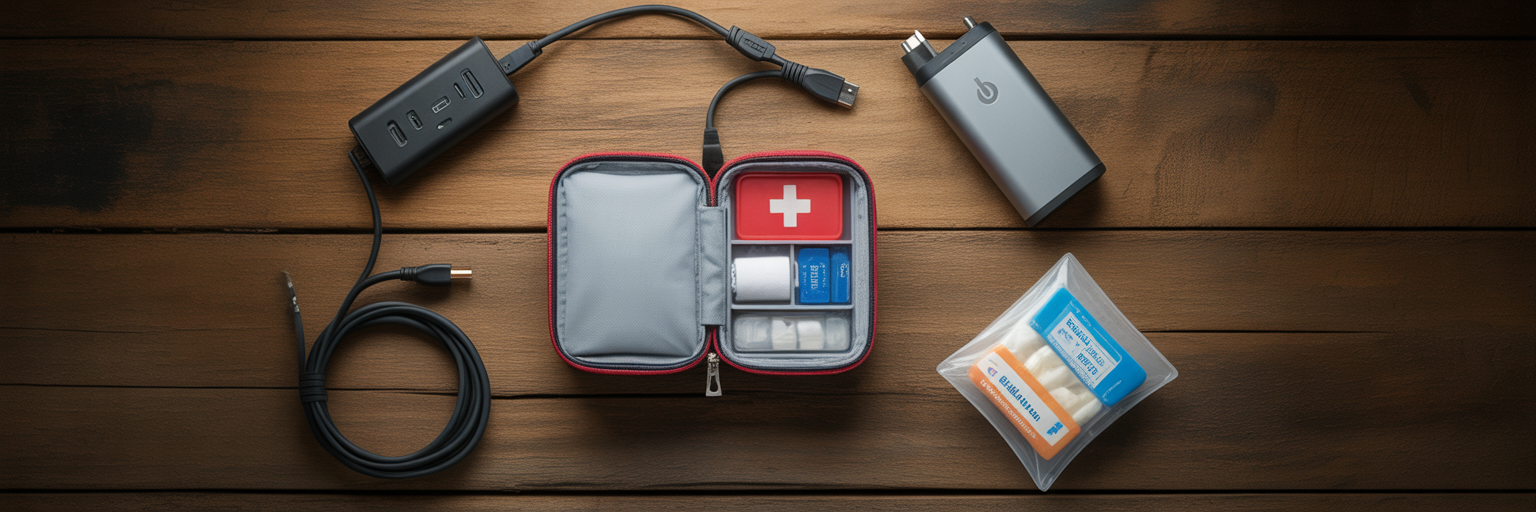
After each person has their individual kit sorted, the next layer of smart packing involves identifying the shared items for group vacation. This is where the collaborative spirit truly shines. By strategically assigning one person to carry each communal item, the group collectively saves an enormous amount of space and weight. It’s the difference between five half-empty tubes of toothpaste and one that serves everyone. This approach ensures the group is prepared for common challenges without unnecessary duplication.
The Comprehensive Group First-Aid Kit
A single, well-stocked first-aid kit is far more effective than several small, inadequate ones. The designated ‘First-Aid Captain’ should assemble a kit that goes beyond basic plasters. A truly useful kit should include:
- Blister treatment: Moleskin or hydrocolloid bandages are essential for days with lots of walking.
- Antiseptic wipes and a variety of bandages: For cleaning and covering minor cuts and scrapes.
- Pain relievers: Ibuprofen or paracetamol for headaches and muscle soreness.
- Antihistamines: For unexpected allergic reactions to food, plants, or insect bites.
- Insect repellent: Choose one with DEET or Picaridin for maximum effectiveness.
- Destination-specific items: This could include water purification tablets for trekking or motion sickness medication for boat trips.
A Centralized Electronics Hub
We’ve all experienced the hunt for a free power outlet in a hotel room or airport lounge. A centralized electronics hub solves this problem. One person should carry a high-capacity power bank for on-the-go charging, a multi-port USB charger that can power several devices from a single outlet, and a set of universal adapters suitable for your destination. This shared charging station becomes a designated spot for everyone to power up their devices, eliminating clutter and ensuring everyone stays connected.
Shared Laundry and Repair Solutions
For trips longer than a week, a small, shared laundry kit can be incredibly useful. This doesn’t need to be elaborate. A few detergent sheets, which are lightweight and non-liquid, a universal sink plug, and a twisted-cord travel clothesline are all you need to wash a few items in a hotel sink. This allows everyone to pack lighter, knowing they can refresh key pieces of clothing along the way. Adding a small sewing kit or a roll of tenacious tape for quick gear repairs can also be a trip-saver.
Entertainment and Downtime Gear
Travel inevitably involves downtime, whether it’s a long train ride, a flight delay, or a quiet evening at your accommodation. Shared entertainment can turn these moments into opportunities for connection. A compact, portable Bluetooth speaker allows the group to share music or podcasts. A simple deck of cards or a portable board game can provide hours of fun and social interaction. Packing one or two of these items for the group is far more efficient than everyone bringing their own.
Tailoring Your Pack for the Adventure’s Theme
The packing blueprint you’ve established is a powerful framework, but its true value is realized when you adapt it to the specific nature of your adventure. A beach holiday in Thailand requires a fundamentally different set of gear than a museum tour through Italy. By tailoring your individual and shared items to the trip’s theme, you ensure the group is not just prepared, but perfectly equipped for the experiences ahead. This is where you translate your what to pack for a group trip strategy into a highly practical checklist.
For the Tropical Beach Escape
Here, the focus is on managing sun, sand, and humidity. Individual packing should prioritize lightweight, breathable fabrics like linen and cotton. Shared gear is key: one large bottle of reef-safe sunscreen, a communal waterproof dry bag to protect electronics near the water, and a quality insect repellent are essential. Everyone saves space by not packing their own full-sized versions of these items.
For the Urban Exploration and Cultural Deep-Dive
City-based trips are often a marathon of walking. The number one individual priority is a pair of comfortable, broken-in walking shoes. Your wardrobe should be built around smart-casual layers that can adapt from a daytime museum visit to an evening dinner. When planning for diverse urban centers, using one of our city guides can help you anticipate specific needs, like modest clothing for religious sites. Shared gear might include a portable Wi-Fi hotspot for constant connectivity and a multi-port charger for the hotel room.
For the Mountain Trek or Outdoor Expedition
This is where technical gear becomes paramount. The layering system is non-negotiable for individuals: a non-cotton base layer, a fleece mid-layer, and a waterproof shell jacket. Sturdy, waterproof hiking boots are a must. For the group, a reliable water filter or purification system is more efficient than everyone carrying their own water supply. A shared GPS device or satellite messenger provides a critical safety net in remote areas.
For the Multi-Destination Itinerary
Trips that span multiple climates or activity types present the biggest packing challenge. The strategy here is modularity. Individuals should rely on versatile merino wool layers that perform well in both hot and cold conditions. Packing cubes become essential for separating clothes by destination. The group’s shared gear must also be adaptable, such as a first-aid kit that can be customized with modules for different environments.
| Item Category | Tropical Beach Escape | Urban Exploration | Mountain Trek | Multi-Destination Trip |
|---|---|---|---|---|
| Shared Gear Priority | Reef-safe sunscreen, waterproof dry bag | Portable Wi-Fi hotspot, multi-port charger | Water filter, GPS/satellite messenger | Modular first-aid kit, universal adapter |
| Individual Footwear | Sandals, water shoes | Broken-in walking shoes, one smart pair | Waterproof hiking boots, camp shoes | Versatile sneakers, one activity-specific pair |
| Key Clothing Items | Swimwear, breathable fabrics, sun hat | Smart-casual layers, modest options for cultural sites | Non-cotton base layers, waterproof shell jacket | Merino wool layers, packable jacket |
| Primary Challenge | Sun/water protection, humidity | Constant walking, varied social settings | Weather changes, physical exertion | Packing for multiple climates/activities |
| Packing Strategy | Lightweight and quick-drying materials | Versatility and comfort for long days | Layering system and technical fabrics | Modular packing with cubes, multi-use items |
Essential Tech and Digital Tools for Group Harmony
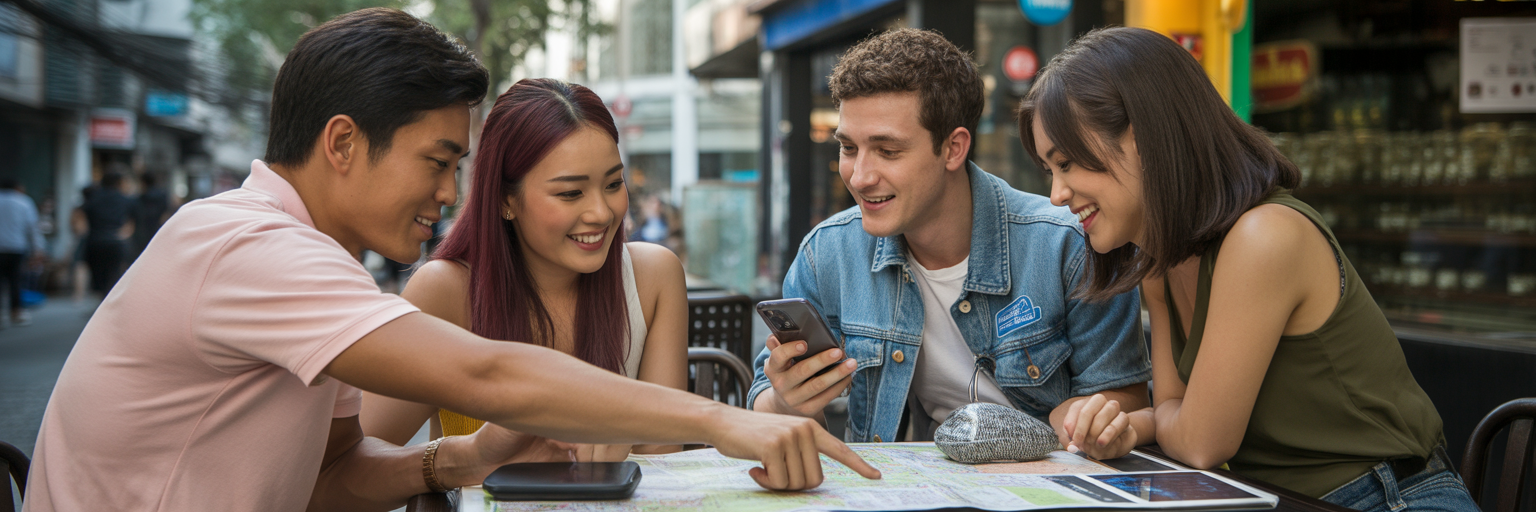
In modern travel, your packing list extends beyond physical items. A well-chosen suite of digital tools can be just as crucial for a smooth group trip as a good pair of shoes. These apps and practices form an intangible toolkit that helps manage money, communication, and navigation, preventing the most common sources of group friction before they even start. This digital strategy is about using technology to support, not distract from, the shared experience.
Apps for Seamless Expense Splitting
Money is one of the biggest potential stressors in group travel. Who paid for the taxi? Whose turn is it to buy dinner? An expense-splitting app like Splitwise eliminates this awkwardness entirely. From the start of the trip, one person can enter every shared expense, and the app keeps a running tally of who owes whom. It provides complete transparency and allows the group to settle up at the end with a single transaction. It’s a simple tool that preserves friendships by removing financial ambiguity.
Communication and Location-Sharing Tools
While a group chat in an app like WhatsApp is standard, its advanced features are often underutilized. The live location sharing function is incredibly useful for coordinating meetups in crowded markets or sprawling city centers. It provides a temporary, real-time map of where everyone is, making it easy to find each other without a dozen “where are you?” messages. This is a simple but powerful tool for both convenience and safety.
Offline Maps and Collaborative Itineraries
You should never assume you’ll have a reliable data connection. Before you leave, have everyone download offline maps of your destination areas in Google Maps or Maps.me. This ensures that anyone can navigate back to the hotel or to a meeting point, even without Wi-Fi or a local SIM card. To enhance collaboration, create a Google My Map for your trip. This allows everyone to pin points of interest, from restaurants to photo spots. It becomes a shared visual plan, and you might even add hidden gems you discover in guides like our feature on Conroe, Texas.
Digital Security for the Whole Group
Using public Wi-Fi at cafes, airports, and hotels is convenient, but it can expose your personal data. A Virtual Private Network (VPN) is a crucial tool for digital security. Have the group agree on using a VPN service to encrypt their connection, protecting sensitive information like banking passwords. Additionally, create a shared digital emergency document in a secure, cloud-based location. This document should contain copies of everyone’s passports and important contact information, ensuring that if one person loses their phone, the rest of the group still has access to critical details.
Prioritizing Safety and Security in Your Packing
A well-packed bag should do more than just carry your belongings; it should also protect them. Integrating safety and security into your packing strategy is not about being fearful, but about being prepared. A few smart gear choices and simple protocols can provide significant peace of mind, allowing you and your group to focus on the adventure without unnecessary worry. These measures are about proactive prevention, ensuring your valuables and personal information remain secure throughout your journey.
Choosing the Right Anti-Theft Gear
The market for anti-theft gear is vast, but the best choice depends on your destination and personal comfort. Slash-proof backpacks offer excellent protection in crowded urban areas but can be heavier. Discreet money belts or neck wallets worn under your clothing are a classic way to keep your passport and cash secure, though some find them cumbersome. The key is for each group member to choose a system they will comfortably use every day. An unused security item offers no protection at all.
The ‘Decoy Wallet’ and Splitting Valuables
One of the most effective security strategies is diversification. Never keep all your valuables in one place. Advise everyone in the group to split their cash, credit cards, and documents between their money belt, their daypack, and the hotel safe. A clever tactic is to carry a “decoy wallet.” This is a spare wallet containing a small amount of local currency and a few expired or dummy cards. In the unlikely event of a robbery, this can be handed over, satisfying the thief while your real valuables remain hidden and secure.
Physical and Digital Locks for Peace of Mind
A small investment in locks can provide a major security boost. Simple combination locks are perfect for securing the zippers on your backpack in crowded public transport or for locking your bag to a luggage rack on a train. They are also essential for securing your belongings in hostel lockers. This small deterrent can make your bag a less appealing target. On the digital front, ensure everyone has strong, unique passwords on their phones and laptops, with biometric or two-factor authentication enabled wherever possible.
Creating a Shared Emergency Protocol
Preparation is the best defense. Before your trip, create a shared digital emergency document that every member can access offline. This document is your group’s safety net. It should contain digital copies of everyone’s passports and visas, emergency contact information for family back home, the contact details for your country’s embassy at your destination, and a copy of your travel insurance policies. Part of being prepared is also understanding the local environment. While this guide covers gear, resources like our local’s guide to Baytown, Texas, show how local knowledge can inform your safety awareness and help you move with more confidence.
Mastering the Art of Efficient Packing
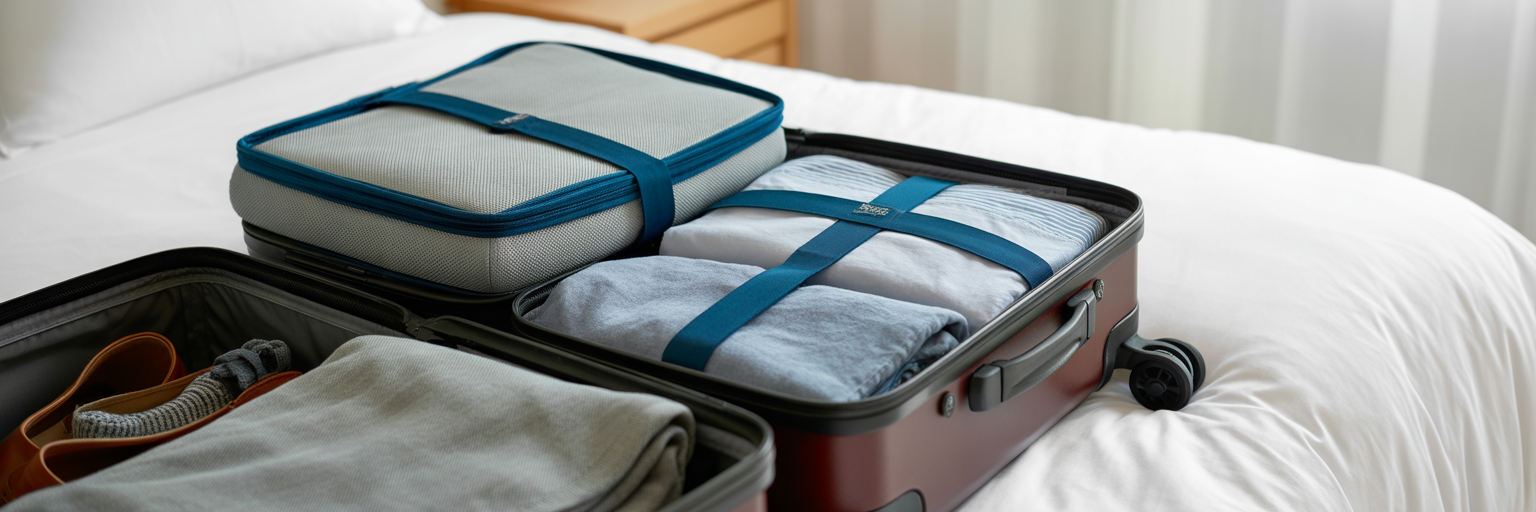
You’ve planned what to pack, but how you pack it is just as important. The physical techniques you use to fill your suitcase can dramatically affect how much you can fit and how organized you remain throughout your trip. This is the final, practical execution of your packing strategy, transforming a pile of clothes and gear into a well-ordered, space-efficient travel kit. Mastering these techniques is fundamental to learning how to pack light for group travel without sacrificing essentials.
The Power of Packing Cubes for Organization
Packing cubes are more than just a travel accessory; they are a strategic tool for compartmentalization. Think of them as portable drawers for your suitcase. Use different colored cubes to organize your clothes by type—one for shirts, one for bottoms, one for underwear—or by day. This system not only compresses your clothing to save space but also makes it incredibly easy to find what you need without tearing your entire bag apart. When you arrive at your hotel, you can simply move the cubes into a drawer, unpacking in seconds.
Rolling vs. Folding: A Situational Guide
The long-standing debate of rolling versus folding has a simple answer: it depends on the item. For most soft, wrinkle-resistant clothing like t-shirts, leggings, and knitwear, rolling is superior. It tightly compresses the fabric, saving a surprising amount of space. For more structured items like button-down shirts, blazers, or trousers made from easily creased materials, a neat, flat fold is the better option. A combination of both techniques, tailored to your specific wardrobe, will yield the best results.
Utilizing Every Inch of Space
Efficient packing means seeing every empty space as an opportunity. The inside of your shoes is the perfect place to stuff socks, underwear, or small, fragile items that need extra padding. Use compression bags for bulky items like puffer jackets or fleece sweaters, but be mindful that while they save space, they don’t reduce weight, and they can cause deep wrinkles. Place heavier items near the wheels of your suitcase to keep it balanced and prevent it from tipping over.
The Final Weigh-In and the ‘One-Third Out’ Rule
Once you think you’re finished packing, you have two critical steps left. First, lay everything out on your bed and apply the “one-third out” rule. Challenge yourself to remove one-third of the items you’ve selected, focusing on the “just-in-case” pieces you probably won’t need. This counterintuitive step is often the most effective way to lighten your load. Second, weigh your packed luggage at home with a simple luggage scale. This five-minute check can save you from the stress and expense of overweight baggage fees at the airport, a common source of last-minute group tension.
Final Coordination and Pre-Departure Checks
The 24 hours before you leave are a critical window for final checks and coordination. All the meticulous planning comes together in these last moments, ensuring a seamless departure. This isn’t a time for frantic, last-minute packing. Instead, it’s a calm, methodical review to confirm that every detail is in place and the entire group is ready to function as a cohesive unit. This final checkpoint transforms your preparation from a good plan into a flawless execution.
The Day-Before Luggage Review
The day before your flight, conduct a final group check-in. This can be a quick virtual meeting or a message thread. The purpose is to run through the shared group travel packing list one last time. Each ‘Gear Captain’ should confirm they have their assigned communal items packed and ready. Is the first-aid kit complete? Are the universal adapters accounted for? This is the last chance to catch any critical omissions and ensure there are no surprises at the airport.
Confirming Airline Baggage Allowances Together
Baggage rules can be surprisingly complex and vary significantly between airlines, especially on multi-leg journeys involving different carriers. Assign one person the task of re-confirming the size, weight, and number of allowed bags for every flight on your itinerary. They should then share a clear summary with the entire group. This simple action prevents the stressful and costly scenario where one member’s bag meets the requirements for the first flight but not the second.
Packing Your ‘Arrival Day’ Essentials on Top
Here is a small but powerful tip: in your carry-on or at the very top of your checked suitcase, pack a small pouch with your “arrival day” essentials. After a long flight, the last thing you want to do is dig through your entire bag. This pouch should contain a toothbrush and toothpaste, a face wipe or moisturizer, a change of underwear and socks, and any medication you’ll need immediately. This allows you to freshen up quickly upon arrival, making the transition from travel to exploration much more comfortable.
A Quick Recap of the Group’s Travel Philosophy
Finally, conclude your preparations by reinforcing the core idea behind this entire process. This meticulous packing strategy was never just about fitting things into a bag. It was about agreeing to function as a team, to support each other, and to minimize logistical stress so you can maximize the shared experience. The goal is to ensure the adventure itself—the new sights, the shared laughter, the unexpected discoveries—remains the central focus. As you finalize your plans, remember that every great trip starts with solid preparation. Whether you’re heading abroad or exploring closer to home, our resources at When In Your City are here to help you get the most out of your travels.