Understanding Havre’s True Character
The story of Havre, Montana, begins with the screech of train brakes. When the Great Northern Railroad arrived in 1890, it wasn’t just laying track; it was laying the foundation for a town built on necessity and grit. This single event is the key to understanding Havre today. It’s not a place that was designed for tourism. It was built to serve a purpose, and that practical, hardworking character remains its most defining feature. This isn’t a history lesson, but rather the living pulse of the community, a background that explains everything from the pace of life to the way people interact.
The slow rhythm you’ll notice here isn’t a trendy lifestyle choice. It’s a simple reality. Life revolves around genuine connections with neighbors and family, a culture forged by shared experiences and the absolute need to rely on one another through long, harsh Montana winters. When your car won’t start at twenty below, you depend on the person next door, not a roadside service that’s an hour away. That shared reliance builds a bond that you just don’t find in bigger cities. The Havre Montana history is one of survival and cooperation, and that spirit is still very much alive.
It’s important to set your expectations about the town’s appearance. Havre is a working town, where function will always come before form. You won’t find rows of polished, boutique storefronts. Instead, the beauty is in the authenticity of the place. It’s in the weathered brick of a century old building, the quiet dignity of the surrounding plains, and the vast, open sky that dominates the landscape. The town’s official guides also point to this unique heritage, and you can find more details on the town’s background through resources provided by the Havre Chamber.
This brings us to the “frontier spirit.” It’s not a marketing slogan here; it’s a tangible trait you’ll see everywhere. It’s in the resourceful, can do attitude of its residents who can fix a tractor, bake a pie from scratch, and organize a community fundraiser all in the same week. People here are practical, straightforward, and deeply self reliant. Understanding this is the first step to seeing Havre for what it truly is: a resilient community, not just a destination on a map. This guide is about appreciating that community from the inside out.
Weekend Pursuits of a Havre Local
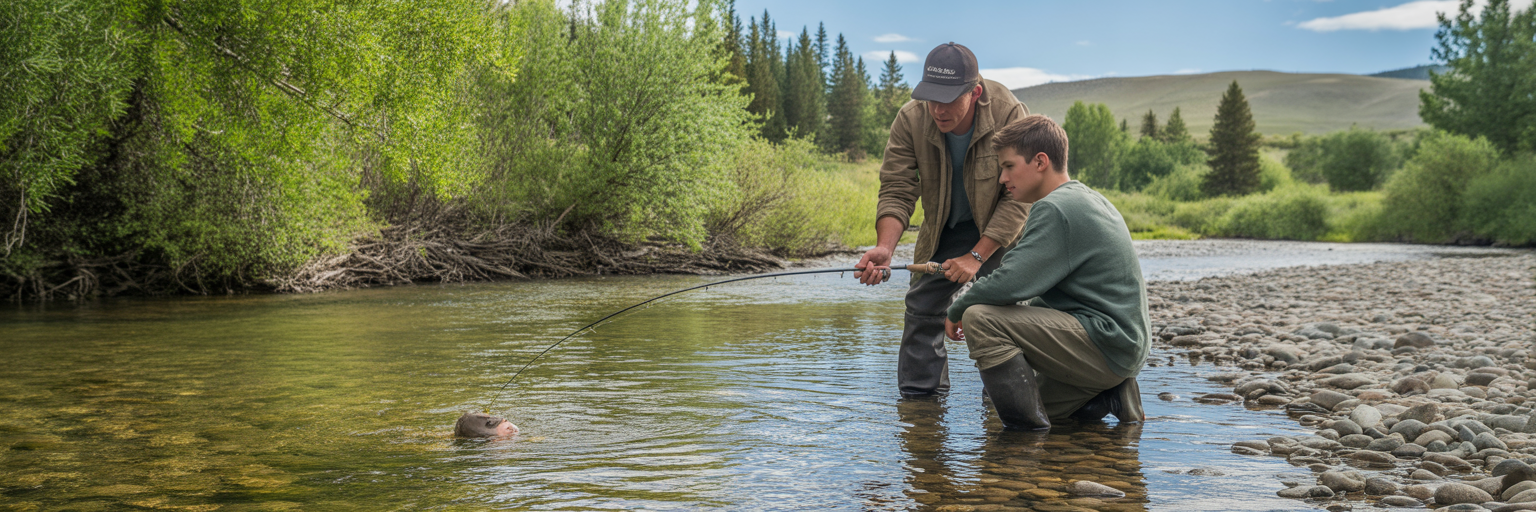
When you ask a Havre resident what there is to do, you won’t get a list of attractions from a travel brochure. You’ll get a glimpse into a way of life deeply connected to the land and the community. The best things to do in Havre MT are the same activities that have defined weekends here for generations. These aren’t just pastimes; they are rituals that reinforce the town’s character.
First and foremost, there is Beaver Creek Park Havre. At over 10,000 acres, it’s more than just a park; it’s the town’s communal backyard. This is where locals go to truly disconnect. It’s a place for fishing in the creek on a quiet morning, setting up camp for the weekend with family, or simply driving the winding roads to find a moment of solitude. The park is woven into the fabric of local life, a shared natural treasure that provides a necessary escape into the wild beauty of Montana.
When winter arrives, life shifts to the Bear Paw Ski Bowl. Don’t expect a fancy resort. This is a community run hill with a single T bar lift and a whole lot of heart. It’s where generations of Havre kids have learned to ski, tumbling down the modest slopes. The atmosphere is more potluck than five star lodge, with families sharing thermoses of hot chocolate and cheering each other on. It’s a perfect example of Havre’s do it yourself spirit, a place created and sustained by the community for the community.
While Havre Beneath the Streets is technically a tourist attraction, locals view it with a sense of ownership and pride. It’s a fascinating, tangible piece of their own resilient history. After a fire devastated the town in 1904, businesses moved underground to survive. For residents, this isn’t just a quirky story; it’s a testament to the town’s grit. They’ll often recommend it as the one “tourist” thing you absolutely must do, because it’s essential to understanding the unshakeable spirit of their ancestors.
For a deeper connection to the land’s history, locals hold the Wahkpa Chu’gn Buffalo Jump in high regard. This isn’t seen as a simple attraction but as a place of profound historical and cultural reverence. It’s one of the largest and best preserved buffalo jumps in the country, a site that connects the present day town to the ancient traditions of the land’s original inhabitants. A visit here is a quiet, reflective experience, a reminder of the long history that unfolded on this prairie long before the railroad arrived.
Finally, the truest local experiences are found in simple community rituals. There’s a powerful energy at a high school football game on a crisp Friday night, where it feels like the entire town has gathered under the stadium lights. The annual Festival Days parade is another cornerstone event, a town wide celebration that brings everyone together. These cherished spots for recreation and reflection are highlighted even in official guides, and a comprehensive list of local activities can be found at the Havre Chamber’s website. These are the moments that truly showcase Havre’s close knit fabric.
Discovering Havre’s Quiet Corners
Beyond the well known spots, the true soul of Havre is found in its quiet corners and understated details. These are the hidden gems in Havre MT that residents cherish, the places and experiences that visitors often overlook in their search for obvious landmarks. Learning to appreciate them is learning to see the town through a local’s eyes.
It often starts with a drive. The scenic backroads that wind around the Bear Paw Mountains offer a form of decompression that is essential to the local mindset. This isn’t about getting to a specific destination. It’s about the drive itself. It’s about the feeling of solitude as you crest a hill and see the vast, rolling prairie stretch out before you, the sky feeling impossibly big. Locals have their favorite routes, quiet gravel roads where you’re more likely to see a deer than another car. It’s a simple pleasure that powerfully connects you to the immense landscape that defines this part of the world.
Back in town, take a closer look at the historic downtown district, especially the architecture along 1st Avenue. It’s easy to be distracted by modern signage, but I challenge you to look past it. Look up at the second and third stories of the buildings. You’ll see intricate late 19th century brickwork and carved stone details that tell the story of the town’s boom years. These buildings are a testament to the optimism and ambition of the homesteaders and railroaders who built this town from nothing. Each brick holds a piece of that history.
The Milk River, which winds its way along the edge of town, is another source of quiet enjoyment. While it may not look like much at first glance, locals have their favorite quiet banks for an evening walk or to watch a sunset. It’s a place to clear your head, skip stones with your kids, or simply sit and listen to the gentle flow of the water. It’s an understated but constant presence in the life of the town, a natural escape that’s always just a few minutes away.
Finally, it’s worth reframing your perspective on the H. Earl Clack Museum. It’s easy to dismiss it as just another small town collection of artifacts. But for locals, it’s something much more. It’s a surprisingly deep and comprehensive archive of the entire region’s story, from dinosaur fossils unearthed nearby to the tools and clothing of the first homesteaders. It’s the keeper of the area’s collective memory, a place that preserves the stories of the people and events that shaped the Hi Line. Locals value it not as an attraction, but as a vital link to their own past. Just as this guide helps you find the authentic corners of Havre, we believe every city has its own character. You can explore more of our city guides that go beyond the surface.
Where to Find a Real Havre Meal
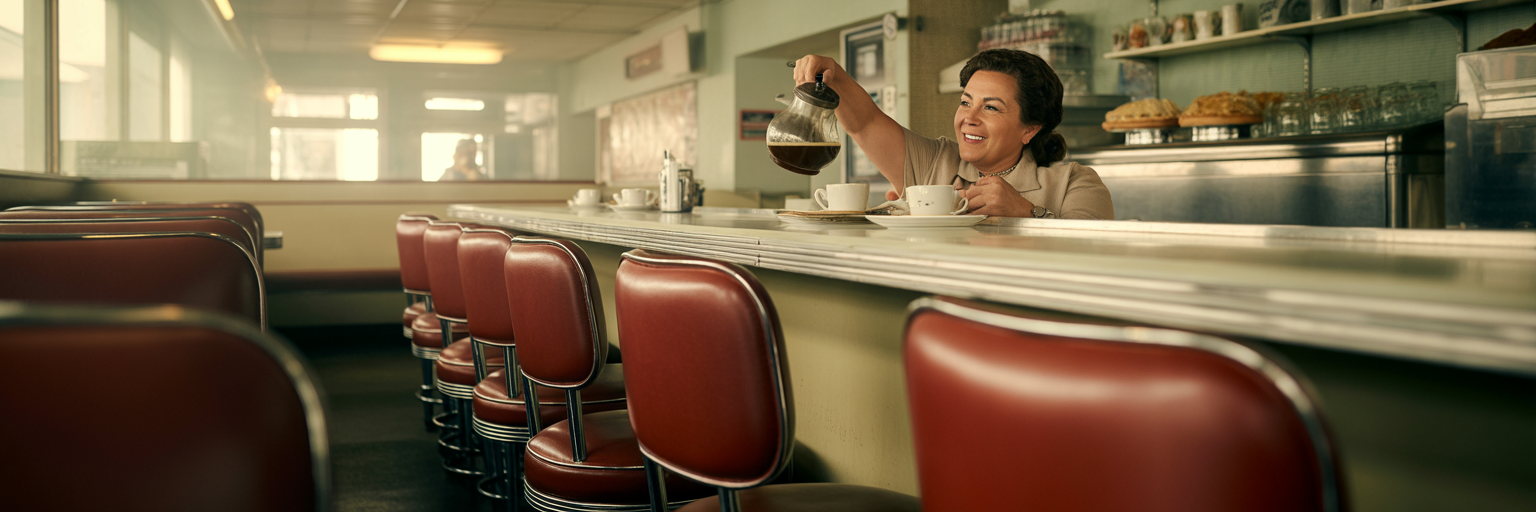
To truly understand Havre, you have to eat where the locals eat. The golden rule for finding the best local restaurants Havre Montana is simple: look for places with history, not new polish. The most beloved eateries are the ones that have been serving the community for decades, places that feel like an extension of a family kitchen. These are the establishments that function as community hubs, where you’re just as likely to overhear a conversation about cattle prices as you are to get a great meal.
The Classic Havre Diner
Every small town has one, and Havre is no exception. The classic diner is the town’s living room. You’ll know it by the long counter with worn swivel stools, the comfortable vinyl booths, and the constant, reassuring sound of coffee being poured. The menu is a testament to hearty, no nonsense American classics. This is where you go for a massive breakfast platter that will keep you full all day, a perfect chicken fried steak, or a simple, satisfying cheeseburger. The food is reliable and comforting, but the real draw is the atmosphere. It’s where farmers gather for coffee at dawn, where business deals are made over lunch, and where families have been coming for generations.
The Unpretentious Steakhouse
In Montana, steak is not just a meal; it’s a tradition. The local steakhouse or supper club is a cornerstone of the dining scene. Don’t expect trendy decor or complicated menus. The focus here is singular and serious: a perfectly cooked, high quality Montana steak. The lighting is often dim, the atmosphere is quiet and comfortable, and the service is friendly but professional. This is where you go for a special occasion, a date night, or simply when you want a truly excellent meal without any fuss. Ordering a Montana raised ribeye or the weekend prime rib special is a rite of passage. It’s a taste of the region’s ranching heritage, served with a simple baked potato and a side salad.
Unexpected Comfort Food
Some of the most cherished local spots are the ones you’d never find on your own. In a small town, places that serve consistently good, homemade food become beloved institutions, regardless of their location. A prime example is the Northern Montana Hospital Café. It might seem strange to recommend a hospital cafeteria, but for many locals, it’s a go to spot for lunch. Why? Because the soups are made from scratch every day, the daily specials are like something your grandmother would make, and the prices are incredibly reasonable. It’s a true hidden gem, a place that provides genuine comfort and a sense of community in an unexpected setting. Finding these local food gems is key to understanding a place, a philosophy central to our work at When In Your City.
| Eatery Type | Vibe & Atmosphere | What to Order | Best For |
|---|---|---|---|
| The Classic Diner | Lively, conversational, worn-in booths, counter service | Chicken fried steak, breakfast platters, classic cheeseburger | A hearty breakfast or a quick, reliable lunch |
| The Local Steakhouse | Dimly lit, quiet, unpretentious but for a special meal | A Montana-raised ribeye or sirloin, prime rib special | Date nights, family celebrations, or a serious steak dinner |
| The Town Pizzeria | Family-friendly, casual, often with arcade games | The ‘combo’ pizza with everything, house-made breadsticks | Friday night family dinners or feeding a group |
| The Unexpected Gem (e.g., Hospital Café) | Functional, clean, surprisingly cozy, community hub | Homemade soup of the day, daily lunch special, fresh-baked pie | An affordable, comforting, and quick weekday lunch |
The Rhythm of Daily Life in Havre
Understanding the experience of living in Havre Montana is about grasping its unique rhythm. It’s a lifestyle shaped by the seasons, the landscape, and a deep seated sense of community. Here’s an honest look at what day to day life feels like in this corner of the Hi Line.
First, the pace of life can best be described as deliberate. There is no such thing as a traffic jam. A trip to the grocery store or post office is rarely just an errand; it’s an opportunity for a social call. You will run into people you know, and you will stop to chat. For newcomers, this can be an adjustment, but it’s the very thing that fosters such a strong sense of connection. Life is less about efficiency and more about relationships. You don’t just know your neighbors; you know their kids, their dogs, and when they might need a helping hand.
The reality of Montana winters is a defining aspect of life here. They are long, cold, and often harsh. But the story isn’t about the hardship; it’s about how the community adapts. Life doesn’t stop; it just shifts indoors. The social calendar fills up with high school basketball games, community potlucks, and cozy gatherings at home. There’s a collective sense of hunkering down and getting through it together. When a blizzard rolls in, you know your neighbors are checking in on you, just as you are checking in on them. This shared experience strengthens community bonds in a way that mild climates never could.
From a practical standpoint, the cost of living feels stable and reasonable. Housing is significantly more affordable than in larger cities, which allows for a comfortable quality of life. However, the local economy is closely tied to a few key sectors, primarily agriculture, healthcare, and the railroad. This creates a feeling of comfortable stability rather than booming wealth. It’s a place where people work hard, live within their means, and value security over extravagance.
Ultimately, the community culture is one of profound resilience and support. This isn’t just an abstract ideal; it’s a necessary and cherished part of the town’s identity. You see it in action constantly. When a family faces a medical crisis, the town rallies with fundraisers and meal trains. When someone’s car is stalled in the cold, the first person to drive by will almost always stop to help. People show up for each other. This honest look at daily life is similar to how we explore other unique American towns. Understanding the rhythm of a place is just as important in a remote Montana city as it is in a growing suburb, a perspective you can see in our guide to Conroe, Texas.