Boise’s True Vibe and Identity
Let’s get one thing straight. If you’re picturing a small farm town surrounded by potato fields, you’re about thirty years out of date. That old reputation clings to Boise like dust, but it couldn’t be further from the truth. The city has grown up, but it has managed to do so without selling its soul. It scaled its size without sacrificing its community-focused heart.
Boise is a mid-sized city, home to about a quarter-million people who have mastered a unique cultural blend. There’s a rugged self-sufficiency here, a remnant of its Western roots, that now lives alongside a progressive and surprisingly collaborative mindset. You see it in the way people dress. It’s not uncommon to see hiking boots and a technical jacket at a nice downtown restaurant. This isn’t a fashion statement. It’s a reflection of how deeply the outdoors is woven into the city’s urban fabric. Many people were probably on a trail an hour before their dinner reservation.
The Boise River is the city’s central artery. It’s more than just a scenic waterway. It’s a historical guide that dictated the city’s layout and continues to shape its lifestyle. The entire community orients itself around the river, using the Greenbelt that lines its banks as a commuter path, a social hub, and a recreational lifeline. It connects everything and everyone.
This connection to nature informs the local pride. Boise doesn’t have the chip on its shoulder that some other Pacific Northwest cities do. There’s no obsession with being the biggest, the loudest, or the trendiest. Instead, there’s a quiet confidence here. It’s a pride rooted in an exceptional quality of life, immediate access to mountains and rivers, and a fierce, almost protective, commitment to supporting local businesses. Understanding this mindset is the first step for anyone considering living in Boise Idaho. It’s a city that values authenticity over ambition.
Weekend Rituals and Local Hangouts
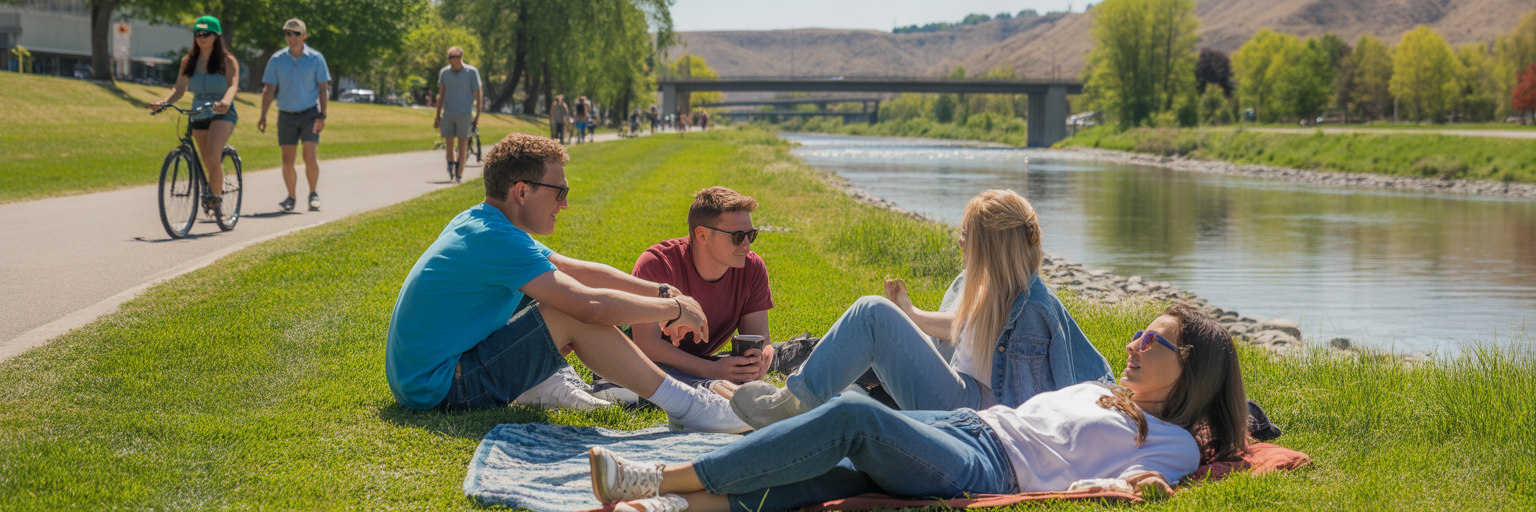
To understand what to do in Boise Idaho, you just need to watch how locals spend their weekends. The city’s rhythm is dictated by the seasons and an ingrained need to get outside. Life here revolves around a few key places that are less about tourism and more about community.
The Greenbelt: More Than Just a Path
The Boise River Greenbelt is a 25-mile paved path that acts as the city’s shared backyard. It’s a social and commuter corridor connecting a string of beautiful parks, including the sprawling Julia Davis and Ann Morrison Parks. On any given day, it’s filled with cyclists, runners, and people simply strolling along the water. But in the summer, it serves one primary purpose: supporting the city-wide ritual of floating the river. From the put-in at Barber Park to the take-out at Ann Morrison, the river becomes a slow-moving parade of rafts and tubes. It’s a quintessential Boise experience.
To do it right, you need a few things:
- A sturdy raft or tube, not a pool toy.
- An air pump, because nobody wants to wait.
- A shuttle pass to get back to your car.
- Plenty of sunscreen and water.
- Absolutely no glass containers.
The Foothills: Boise’s Backyard Playground
Looming just north of the city, the Boise Foothills are the most accessible of all Boise outdoor activities. This isn’t a “plan a weekend trip” kind of nature. It’s an “after-work hike” kind of nature. Trailheads at places like Camel’s Back Park or the Old Idaho Penitentiary offer immediate entry into a vast network of trails. A popular trek is the climb to Table Rock, which rewards you with a panoramic view of the entire Treasure Valley. Watching the sunset from up there, seeing the city lights begin to twinkle, is a perspective that never gets old.
Downtown’s Independent Heart: 8th Street
While downtown Boise has several busy streets, the pedestrian-only section of 8th Street is its true heart. In the warmer months, the street becomes a massive outdoor dining room. Restaurant patios spill out onto the brick-paved lane, buzzing with conversation. This is where you feel the city’s local-first ethos most strongly. The street is lined with independent breweries, coffee shops, and boutiques. You won’t find a single national chain here, and that’s by design. It’s a place for locals to gather, support other locals, and simply enjoy the city.
Community Traditions: Markets and Music
Saturday mornings from spring through fall have a specific destination: the Capital City Public Market. It’s far more than a place to buy produce. It’s a social event where you’re guaranteed to run into someone you know. The air is filled with the smell of fresh-baked goods and the sound of local musicians. Similarly, Treefort Music Fest has become a defining cultural event. This multi-day, city-wide festival in March is proof that Boise’s independent arts scene is not just surviving but thriving. It takes over every venue, park, and alley, showcasing a creative energy that surprises many outsiders. Just as Boise has its unique character, you can find similar authentic experiences by exploring other places, such as with this guide to Conroe, Texas.
Discovering Boise’s Quiet Corners
Beyond the popular weekend spots are the places locals go for a bit of peace. These Boise Idaho hidden gems are the quiet corners and cultural pockets that give the city its depth. They offer a different kind of experience, one that’s more about observing and absorbing than doing.
An Afternoon in the Historic North End
To truly feel the soul of the Boise North End, take a slow walk down Harrison Boulevard. This street is a living museum of architecture, lined with stately, historic homes and shaded by a canopy of ancient trees. There’s a peaceful, established atmosphere here that feels a world away from the downtown bustle just a few blocks south. It’s a residential area, so the activity is subtle: people tending their gardens, kids riding bikes on the wide sidewalks, and neighbors chatting over fences. It’s the perfect place for a quiet afternoon stroll, offering a glimpse into one of the city’s most beloved neighborhoods.
The Basque Block: A Living Piece of Heritage
Tucked away in downtown is a single city block that holds a universe of culture. The Basque Block is not a historical reenactment. It is a living, breathing center for one of the largest Basque communities outside of Spain. You can hear the Basque language spoken on the street. The Basque Museum & Cultural Center provides context, but the real experience is found at the market, grabbing pintxos, the small, savory snacks that are a staple of Basque cuisine. It’s a powerful reminder of the immigrant communities that helped build the American West. Discovering the hidden corners of a city is about understanding its unique history and culture, and for those interested in how other cities preserve their distinct heritage, our city guides offer more local perspectives.
Underrated Natural Escapes
While everyone flocks to the main city parks, Kathryn Albertson Park offers a more serene escape. It’s a designated wildlife sanctuary with winding paths, quiet ponds, and plenty of waterfowl. It’s a place for contemplation, not recreation. Another local secret is the scenic drive up Bogus Basin Road during the off-season. In the summer or fall, when the ski crowds are gone, the drive up the mountain offers a series of stunning viewpoints overlooking the valley. Most visitors only see this road covered in snow, completely missing the breathtaking vistas available the rest of the year.
Freak Alley Gallery: The City’s Outdoor Canvas
In an alley between 8th and 9th streets lies the largest outdoor gallery in the Northwest. Freak Alley Gallery is a constantly evolving explosion of murals, graffiti, and street art. What makes it special is its raw, grassroots nature. It’s not curated by a committee. It’s a dynamic, ever-changing canvas that reflects the authentic creative pulse of the city. Every time you visit, you’re likely to see something new, as artists continually paint over old works to create fresh pieces.
The Definitive Boise Food Scene
The story of modern Boise can be told through its food. The city’s culinary scene is fiercely independent, deeply connected to local agriculture, and refreshingly unpretentious. Forget the chains. The best local Boise restaurants are the ones with history, personality, and a loyal following.
The Breakfast Rite of Passage: Goldy’s Breakfast Bistro
You will almost certainly have to wait in line for Goldy’s, and that’s part of the experience. It’s a Boise institution. The small, bustling space is always packed, but the reward is a breakfast that has set the standard in this city for decades. The Andalusian Eggs are legendary, and their hollandaise sauce is something people talk about with reverence. Standing on the sidewalk waiting for a table is a shared experience that connects you to everyone else who knows it’s worth it.
Farm-to-Table Excellence: Fork
Fork’s motto is “Loyal to Local,” and they mean it. The menu is a celebration of Idaho producers, with a list of their farm partners proudly displayed. Set in a grand, historic bank building downtown, the restaurant offers an experience that feels both upscale and grounded. Their Urban Fries, tossed with rosemary and served with a side of smoked ketchup, are a must-order. Fork proves that farm-to-table isn’t just a trend here. It’s a core principle.
A Taste of Culture: The Basque Market
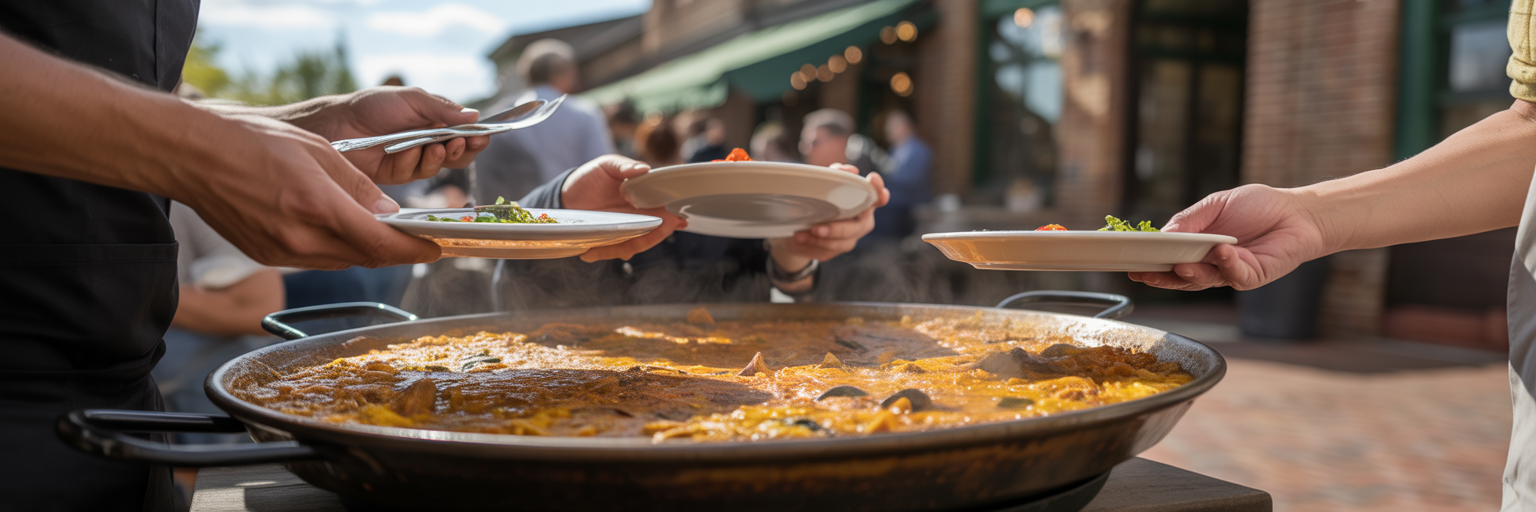
The Basque Market is more than a restaurant. It’s a cultural hub. You can stop in for imported goods from the Basque Country or grab a few pintxos for a quick, casual lunch. But the main event happens every Wednesday and Friday at noon, when they cook a massive pan of paella on the patio. The whole block fills with the incredible aroma, and a crowd gathers to watch. It’s a communal, delicious experience that brings a piece of Spanish culture to life in downtown Boise.
An Old-School Classic: Guido’s Original New York Style Pizzeria
Sometimes you just want a great slice of pizza without any fuss. That’s Guido’s. This place is a downtown fixture, a testament to doing one thing and doing it well. They serve huge, foldable, New York-style slices from a simple counter. There are no fancy toppings or artisanal crusts. It’s just honest, delicious, and exactly what you need after a night out. It’s the kind of timeless neighborhood spot every city needs.
The New Guard: The Wylder
Representing the modern evolution of Boise’s food scene is The Wylder. Located in the growing Lusk District near the university, this spot is known for its incredible sourdough pizzas and a stylish, vibrant atmosphere. The “Honey Badger” pizza, with its mix of spicy sausage and sweet honey, is a local favorite. The Wylder shows that Boise’s culinary identity is still growing, blending tradition with new, exciting ideas. Just as this guide points you to Boise’s most authentic eateries, we believe every city has a story to tell through its food. If your travels take you further south, you can find a similar breakdown of local favorites in our guide to Longview, Texas.
A perfect food day in Boise might look like this:
- Start with a hearty, well-earned breakfast at Goldy’s.
- Grab some casual afternoon pintxos at The Basque Market.
- Enjoy a farm-to-table dinner at Fork.
The Rhythm of Daily Life in Boise
So, what is it actually like living in Boise Idaho? The pace of life can best be described as unhurried but productive. People work hard, but they also make time for a bike ride at lunch or a hike after work. There’s a prevailing sense of “Boise nice,” which you’ll experience when a driver waves you into traffic or a stranger strikes up a conversation in the grocery store line. It’s a genuine friendliness that has persisted even as the city has grown.
Let’s talk about traffic. Yes, there is a rush hour. I-84 and Eagle Road can get congested, but a local’s definition of a “bad commute” is anything over 20 minutes. For many who have moved from larger coastal cities, the traffic here is barely a footnote. The city remains incredibly accessible.
The cost of living is a constant topic of conversation. Housing prices have certainly increased, and it’s not the bargain it once was. However, when compared to other Pacific Northwest hubs like Portland or Seattle, Boise remains significantly more affordable. The general feeling is that while things are more expensive, the quality of life still provides immense value.
| Metric | Boise, ID | Portland, OR | Seattle, WA |
|---|---|---|---|
| Median Home Price | ~$510,000 | ~$530,000 | ~$840,000 |
| Average Rent (1-BR) | ~$1,500/mo | ~$1,650/mo | ~$2,100/mo |
| Average Utility Bill | ~$160/mo | ~$185/mo | ~$220/mo |
| Gasoline (per gallon) | ~$3.80 | ~$4.50 | ~$4.90 |
| Dinner for Two (Mid-range) | ~$70 | ~$85 | ~$100 |
Note: Data is based on recent market averages from sources like Zillow, Numbeo, and AAA for Q1/Q2 2024 to provide a comparative snapshot. Prices are illustrative and subject to market fluctuations.
Life is dictated by four distinct seasons. Summers are hot and dry, perfect for floating the river. Winters are cold and snowy, and the close proximity of Bogus Basin Ski Area means skiing is a common weeknight activity. Spring and fall are glorious, with mild temperatures that make the Foothills irresistible. This seasonal rhythm is the engine of community life, driving everything from what people do for fun to how they connect with one another. Understanding this rhythm is key to knowing if a city is right for you, and our homepage at When In Your City is a great starting point for exploring more destinations with the same local-first approach.