Portland’s Authentic Vibe and Identity
To understand Portland, you first need to know it was designed on purpose. Decades ago, Oregon established an urban growth boundary, a line drawn in the sand to prevent the endless sprawl that defines so many other American cities. This single policy is the key to Portland’s character. It created a city of distinct, walkable neighborhoods that feel more like a collection of interconnected towns than a single, overwhelming metropolis. With a population hovering around 650,000, it’s big enough to be interesting but small enough to feel like home.
Forget the caricatures you might have seen on television. The city’s personality is rooted in a genuine counterculture legacy from the 1960s and 70s. That history of anti-establishment thinking and progressive ideals flows directly into its modern identity. It’s why you see such a fierce emphasis on independent businesses, local art, and community action. The famous “Keep Portland Weird” slogan isn’t just a marketing phrase for tourists; it’s a deeply felt expression of local values, a commitment to individuality over conformity. Grasping this foundational vibe is the first step to truly experiencing any city, a principle we apply to all our city guides.
Even the city’s “City of Roses” nickname tells a story. While it points to the stunning International Rose Test Garden, a place locals genuinely love for its hilltop views, the name also serves as a metaphor. It represents the city’s ability to cultivate beauty and community pride against its sometimes gritty, industrial backdrop. This is a place that finds beauty in imperfection.
That cultivation extends to its eco-conscious mindset, which is a fundamental part of daily life here. This isn’t a trend; it’s a deeply integrated social contract. You see it in the extensive network of bike lanes that are used for serious commuting, not just weekend recreation. You feel it at the farmers markets that pop up in every quadrant, where knowing your farmer’s name is common. And you practice it through the social expectation of composting and recycling, which are second nature to every household.
Ultimately, Portland holds a dual identity. It is simultaneously relaxed and creatively ambitious, fiercely individualistic yet deeply committed to its community. It’s a city where people work hard on their passions but still make time to enjoy the natural beauty that surrounds them. Understanding this balance is essential before you explore what to do in Portland, because it explains why the places and activities locals cherish are so important to them.
Weekend Routines and Local Hangouts
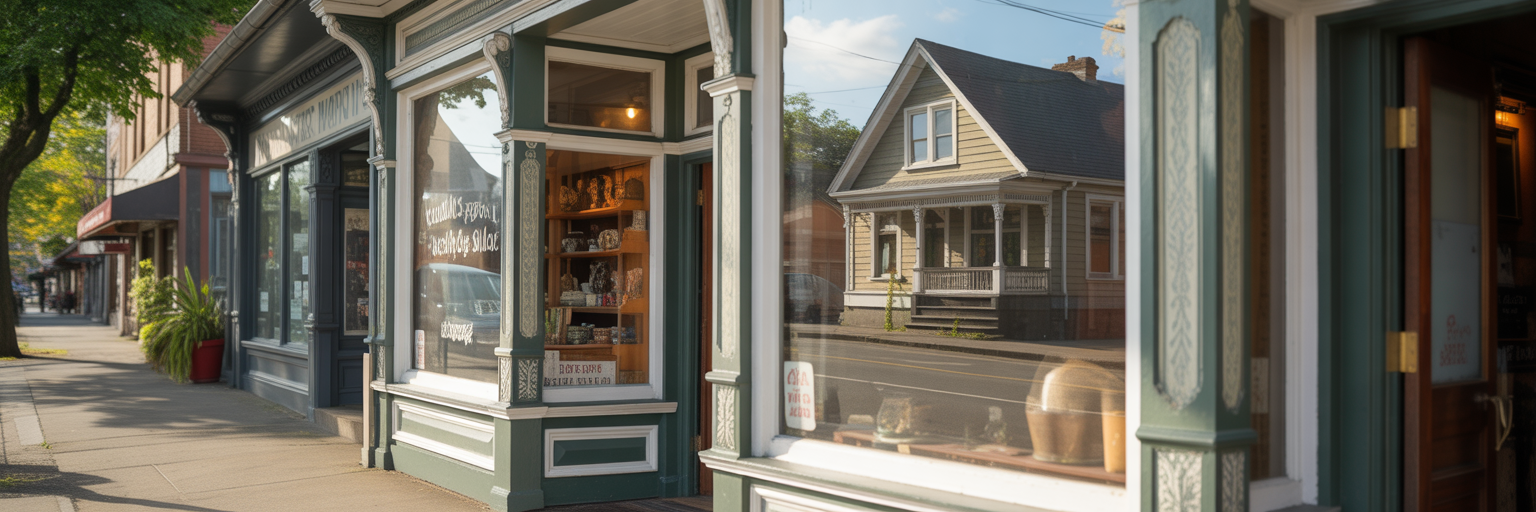
A weekend in Portland is less about hitting a checklist of attractions and more about settling into a rhythm. The best Portland local favorites are rituals that combine nature, neighborhood life, and a shared sense of community. It’s about slowing down and enjoying the city’s unique pace.
The Urban Oasis of Forest Park
Just west of downtown lies Forest Park, the city’s 5,200-acre backyard. This isn’t just any city park; it’s one of the largest urban forests in the country, a massive expanse of towering trees and mossy trails. For Portlanders, it’s an essential part of life. On any given weekend, you’ll find locals here for everything from a quick trail run before brunch to an all-day hike on the 30-mile Wildwood Trail. Its immediate accessibility from the city core embodies the local commitment to work-life balance. It’s where the city goes to breathe.
Escaping to the Columbia River Gorge
The short drive east into the Columbia River Gorge is a quintessential Portland experience. While the Historic Columbia River Highway can get crowded, it’s a pilgrimage every local makes. Multnomah Falls is undeniably iconic, and seeing it is a rite of passage. But for a more serene experience, locals often suggest continuing on to a less-congested spot like Latourell Falls. The short, easy hike to its base offers a powerful dose of nature without the overwhelming crowds, reminding you how close true wilderness is.
Exploring the Neighborhoods by Foot
Portland is a city best explored one neighborhood at a time. Each has its own distinct personality, and a perfect Saturday can be spent simply wandering, browsing, and soaking in the atmosphere. Here are a few to start with:
- Hawthorne District: This is the place for a classic Portland afternoon. Spend hours browsing the many vintage clothing stores and quirky record shops. The vibe is laid-back and eclectic. The experience is capped off by catching a movie and having a beer at the historic Bagdad Theater & Pub, a beautifully restored movie palace.
- Alberta Arts District: Known for its vibrant, creative energy, Alberta is a feast for the eyes. The street is lined with colorful murals, independent art galleries, and unique boutiques. If you’re here on the last Thursday of the month from May to September, the “Last Thursday” street fair fills the blocks with artists, musicians, and a palpable sense of community.
- Sellwood-Moreland: For a quieter, more relaxed day, head to Sellwood. This neighborhood is famous for its antique shops, where you can hunt for treasures for hours. Its quiet, tree-lined residential streets and family-friendly atmosphere make it a perfect spot for a peaceful stroll, ending with a visit to a local cafe.
Community Traditions and Annual Festivals
Certain events are woven into the fabric of the city. The Portland Rose Festival in June isn’t just a parade; it’s the official start of summer for many locals. Similarly, the Waterfront Blues Festival over the Fourth of July weekend transforms Tom McCall Waterfront Park into a massive, city-wide celebration of music and community. These aren’t just for tourists; they are deeply ingrained traditions. Throughout the summer, you’ll also see locals taking to the Willamette River, which divides the city, for kayaking and paddleboarding, another cherished way to enjoy the city from a different perspective. This focus on authentic, community-based experiences is what we aim to capture in every guide we create at When In Your City.
Off the Beaten Path Discoveries
Beyond the well-trodden paths are the places that reveal Portland’s quieter, more eccentric side. Finding these hidden gems in Portland Oregon isn’t about a scavenger hunt; it’s about adopting a slower, more curious mindset. These are the spots cherished by locals for their authenticity and charm.
Instead of joining the crowds at the famous Japanese Garden, seek out Leach Botanical Garden in Southeast Portland. Tucked away along Johnson Creek, this peaceful sanctuary is a celebration of native Northwestern plants. It’s a true escape within the city limits, a place for quiet contemplation where you’re more likely to hear birdsong than tourist chatter.
For a glimpse into a different side of Portland, spend an afternoon in the St. Johns neighborhood. It has a unique, almost small-town atmosphere, physically and culturally defined by the majestic St. Johns Bridge that towers over it. Its quiet main street is home to an independent movie theater, cozy pubs, and local shops. It feels like a self-contained community, a pocket of old Portland that has resisted rapid change. Every city has these pockets of distinct culture, and the key is knowing where to look, whether you’re in Portland or exploring the real Conroe, Texas.
To truly embrace the city’s spirit, visit the Freakybuttrue Peculiarium. This isn’t a polished tourist trap but a genuine, heartfelt expression of the “Keep Portland Weird” ethos. Its bizarre collection of oddities, urban legends, and cryptid displays is a celebration of the unusual that locals find endearing. It’s a reminder not to take things too seriously.
If you’re looking for a scenic drive without the Gorge traffic, head out to Sauvie Island. Just a short drive from downtown, this massive river island feels like a world away. In the summer and fall, locals flock to its farms for berry and pumpkin picking. You can relax on its quiet river beaches or simply enjoy the flat, rural landscape on a bike ride. It’s the perfect local day trip.
Finally, for a dose of history, skip the grand Pittock Mansion and instead take a contemplative walk through Lone Fir Cemetery. As one of the city’s oldest burial grounds, it offers a more grounded story of Portland’s past. It’s also a beautiful and historic arboretum, a quiet, green space that holds the stories of pioneers, ship captains, and everyday citizens who built the city.
Portland’s Essential Independent Eateries
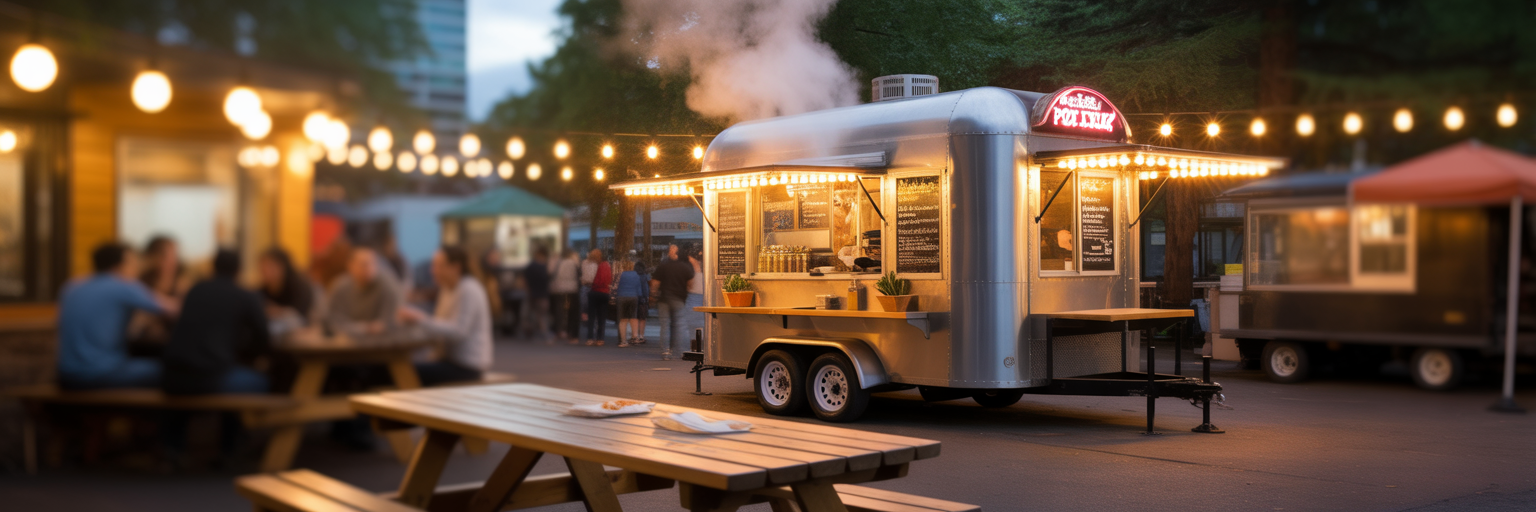
To eat in Portland is to participate in its culture. The city’s culinary identity is built on the back of local entrepreneurs, chefs, and artisans. Choosing where to spend your money is a form of community support, which is why you won’t find locals recommending national chains. The best local food Portland has to offer comes from people who are deeply invested in their craft and their community.
The Food Cart Pod Phenomenon
Food carts here are more than just street food; they are culinary incubators and vibrant community hubs. A food cart pod is an outdoor collection of carts, often surrounding a communal seating area with picnic tables and beer taps. The experience is a quintessential part of Portland life. You wander through the pod, overwhelmed in the best way possible by the sheer variety of high-quality, specialized options from around the globe. The communal seating encourages conversation and turns a simple meal into a shared experience.
From Cart to Brick-and-Mortar: A Portland Story
Many of Portland’s most beloved restaurants began as humble food carts. The story of Nong’s Khao Man Gai is a perfect example. Starting with a single cart, Nong Poonsukwattana built a loyal following for one perfect dish: Khao Man Gai. This Thai specialty of poached chicken and fragrant rice is deceptively simple. Its cult status comes from the flawless execution, from the perfectly cooked chicken to the pungent, garlicky sauce. It’s a testament to the Portland belief that doing one thing exceptionally well is enough.
Innovative Cuisine and Old-School Institutions
The city’s dining scene thrives on its diversity. On one end, you have inventive, modern restaurants like Tusk, which serves a vibrant, vegetable-forward menu inspired by Middle Eastern flavors. Its stylish atmosphere and creative cocktails represent Portland’s ambitious culinary edge. The city’s reputation as a food destination is well-documented, with resources like Eater Portland consistently highlighting the chefs and entrepreneurs who define the culinary landscape.
On the other end, you have old-school institutions that hold a nostalgic place in locals’ hearts. The Goose Hollow Inn, opened in 1967 by a former mayor, is famous for its legendary Reuben sandwich. The cozy, unchanging pub atmosphere feels like a step back in time. It’s a place built on conversation and community, not trends. This same spirit extends to the city’s foundational craft breweries like Widmer Brothers and coffee pioneers like Stumptown Coffee Roasters, which serve as essential “third places” for the community.
| Experience Type | Vibe | What to Expect | Classic Example |
|---|---|---|---|
| Food Cart Pod | Casual, Bustling, Communal | A huge variety of high-quality, affordable global cuisines. Shared outdoor seating. | Hawthorne Asylum Food Carts |
| Neighborhood Gem | Cozy, Intimate, Friendly | A chef-driven menu with seasonal ingredients. A loyal local following. | Jacqueline |
| Innovative Dining | Stylish, Modern, Ambitious | Creative, boundary-pushing menus and craft cocktails in a designed space. | Tusk |
| Old-School Institution | Nostalgic, Unpretentious, Historic | Time-tested classic dishes served in a setting that hasn’t changed in decades. | The Goose Hollow Inn |
This table illustrates the diverse range of independent dining options in Portland. Each type offers a different window into the city’s culture, from the entrepreneurial spirit of the food carts to the comforting history of its long-standing pubs.
The Rhythm of Daily Life in Portland
Understanding what it’s like living in Portland Oregon, requires looking beyond the weekend and into the rhythm of daily life. The pace here is intentionally deliberate. It’s a conscious choice that prioritizes work-life balance over the relentless hustle you might find in other West Coast cities. Leaving work on time to go for a hike in Forest Park or meet friends at a brewery isn’t just acceptable; it’s the norm.
The community reflects this pace. Portlanders can seem reserved at first, but they are genuinely friendly in a low-key way. The strongest sense of community is found at the neighborhood level. It’s forged in dog parks, at local coffee shops where the barista knows your order, and at the weekend farmers markets. It’s a quiet, lived-in sense of belonging rather than an overt display of civic pride.
You cannot talk about life in Portland without talking about the weather. It has a profound impact on the city’s psyche. The long, gray, drizzly winters, often called “The Big Dark,” foster a cozy indoor culture. This is the time for reading, pursuing creative projects, and gathering in warm, inviting pubs. But this long period of gray makes the arrival of summer a moment of collective euphoria. When the sun finally breaks through, every park, patio, and riverfront space is filled with people soaking up the light with an almost religious fervor.
Getting around the city offers a balanced perspective. Yes, car traffic has become a significant issue, a common complaint among locals. However, the city’s infrastructure makes other options highly viable. Bike commuting is a huge part of the culture, supported by an extensive network of protected lanes. The MAX Light Rail and streetcar systems are practical, widely used options for daily travel, connecting neighborhoods across the city without the stress of driving.
The cost of living is a point of tension. While Portland was once famously affordable, its popularity has driven up costs, especially for housing. This is a real challenge for many long-time residents and has changed the fabric of some neighborhoods. It’s a reminder that even in a city that values its laid-back identity, the pressures of growth are ever-present.
In the end, living in Portland is a life defined by a deep connection to nature, a passion for local food and drink, and a quiet resilience that finds contentment in simple pleasures, even on the rainiest of days. This unique rhythm of daily life is what makes a city special, a truth you’ll find whether you’re getting to know the real Bryan, Texas, or immersing yourself in Portland.