While many know Salem as Oregon’s state capital, its identity is far more deeply rooted in the fertile soil of the Willamette Valley. This is a city defined less by politics and more by its community rhythms and agricultural heart.
Getting Acquainted with Oregon’s Capital
Forget the image of a stuffy government town. To understand Salem, you have to look past the capitol dome and toward the river, the farms, and the quiet neighborhood streets. It sits just an hour south of Portland, but the frantic pace of the big city feels worlds away. Here, the unpretentious and relaxed atmosphere is not a bug, it is a feature and a point of local pride. This is a place where people still make eye contact and hold doors open, where the daily commute doesn’t require a podcast series to endure.
The city operates on a “big small town” scale. You have access to distinct Salem Oregon neighborhoods, each with its own character, from the historic homes in the core to the rolling hills of West Salem. Yet, you can still drive across town in twenty minutes without hitting soul-crushing traffic. That convenience means you will almost certainly run into someone you know at the grocery store or your favorite coffee shop. This balance between accessibility and community is central to understanding what is Salem Oregon like.
The city’s story began long before it was named the capital in 1851. This land was originally home to the Kalapuya people, whose presence is woven into the very landscape. Later, missionaries settled the area, and their influence can still be seen in the historic architecture downtown. Those old brick buildings are not just relics. They house modern boutiques, law offices, and restaurants, serving as a constant, living reminder of the city’s foundations. Every city has a story that goes deeper than its landmarks, a truth we aim to uncover in all our explorations.
So while the stereotype of a quiet government town persists, locals know the truth. Just beneath that calm surface, a vibrant and independent culture thrives. An underestimated food scene draws directly from the valley’s bounty, independent shops flourish without the pressure of big-box competition, and a dedicated arts community continually adds color and creativity to the city. Acknowledging this hidden depth is the first step to seeing Salem through a local’s eyes.
Weekend Rhythms and Local Pastimes
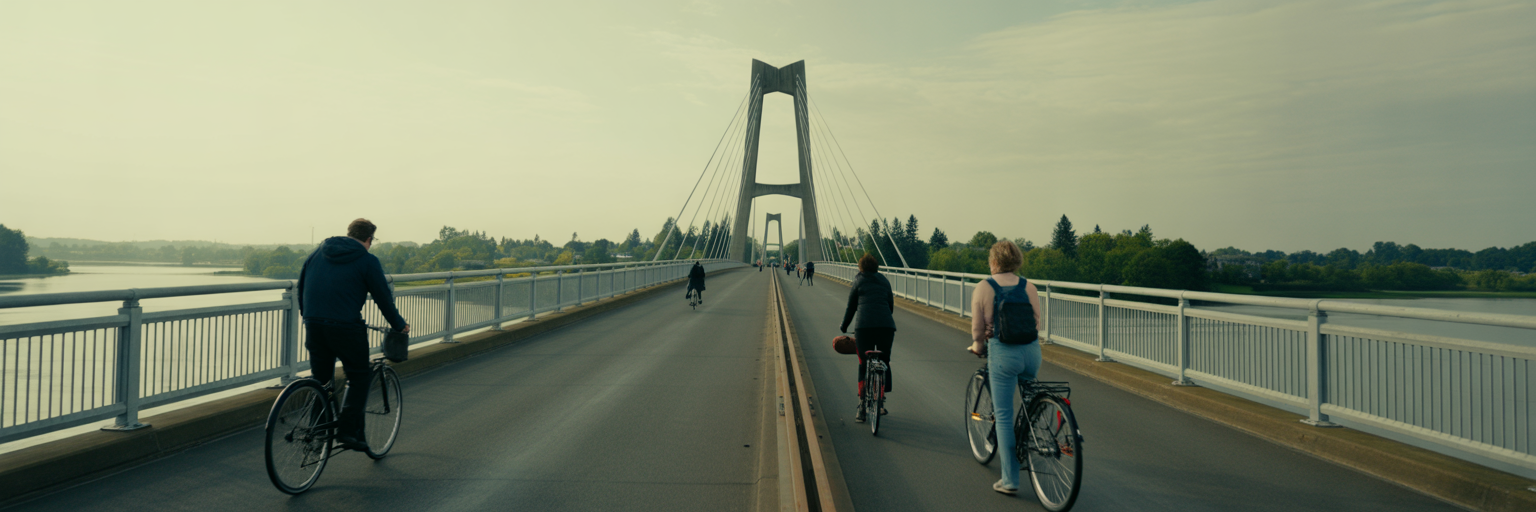
Weekends in Salem are not about chasing trends. They are about leaning into the city’s natural rhythms, from the Saturday morning market rush to a quiet Sunday hike. These are the shared experiences that define the local lifestyle.
The City’s Green Heart: Riverfront Park and Minto-Brown Island
The Willamette River is the city’s lifeline, and the parks along its banks are Salem’s collective backyard. Riverfront Park, with its iconic carousel and open lawns, flows seamlessly into the wilder expanse of Minto-Brown Island Park thanks to the Peter Courtney Minto Island Bridge. This connection did more than just link two parks. It created a massive, continuous green space that serves as the recreational core for the entire city. On any given day, you will see office workers on a lunchtime stroll, families heading for the carousel, and serious cyclists tackling the loop. It is where the community comes to breathe.
The Saturday Morning Ritual: Salem’s Community Market
From May through October, the Salem Saturday Market is the undeniable center of the city’s social life. This is far more than a place to buy produce. It is a full-sensory experience. You will hear the sound of a local band playing folksy tunes, smell the tempting mix of kettle corn and grilled sausages from the food carts, and find yourself in conversations with the very farmers who picked your vegetables that morning. It is a weekly reunion where neighbors catch up and connect, reinforcing the city’s small-town feel.
The Backyard Wilderness: Silver Falls State Park
While Silver Falls is famous across Oregon, for Salemites, it is simply “the backyard.” It is the default destination for a dose of nature. Locals know the secrets to enjoying it. They hike the stunning Trail of Ten Falls on a weekday morning to have the misty canyons to themselves, or they visit in the crisp autumn air when the crowds have thinned and the fall colors are spectacular. It is the go-to spot to clear your head and remember how close the wilderness really is.
The Cultural Pulse: Downtown Arts and Festivals
Salem’s cultural scene is heartfelt and community-driven. Events like the First Wednesday art walks are a perfect example. After work, locals meander through downtown galleries and shops, wine glass in hand, turning a simple midweek evening into a celebration of local creativity. The biggest event of the year is the Salem Art Fair & Festival, a three-day affair in Bush’s Pasture Park that showcases regional artists. It is a source of immense local pride and a tradition that brings the entire community together. Just as Salem residents gather for the Art Fair, folks in other towns have their own unique celebrations, like those you might read about in an honest guide to Conroe, Texas.
Here are some of the most common local things to do in Salem Oregon within the Riverfront and Minto-Brown park system:
- Walking or Running the Loop: A nearly 5-mile paved loop connects Riverfront Park, Minto-Brown Island Park, and Wallace Marine Park, offering beautiful views of the Willamette River.
- Family Outings: Taking kids to ride the hand-carved animals at the Riverfront Carousel, followed by a picnic on the lawn.
- Birdwatching: Exploring the quieter, unpaved trails in Minto-Brown, which is a designated wildlife refuge and a prime spot for birding.
- Kayaking and Paddleboarding: Launching from Wallace Marine Park or the boat dock at Riverfront Park for a calm paddle on the Willamette.
- Attending Events: The Riverfront Park amphitheater hosts free summer concerts, movies, and the annual World Beat Festival.
Uncovering Salem’s Quieter Corners
Beyond the well-trodden paths are the places locals cherish for their quiet beauty and unique character. These are the hidden gems in Salem Oregon that reveal a deeper, more intimate side of the city.
Beyond the Museum at Bush’s Pasture Park
While many visitors head straight for the art museum, locals know the true treasure is the park itself. Bush’s Pasture Park is a 90-acre urban sanctuary. The real magic is found in wandering the paths. You can admire the historic Bush House, get lost in the fragrance of the meticulously kept rose gardens during summer, or find a quiet, shaded bench for a moment of peace. It is a place for contemplation, not just sightseeing.
An Architectural Stroll Through Gaiety Hill
Adjacent to the park lies the Gaiety Hill-Bush’s Pasture Park Historic District. Walking these streets feels like stepping back in time. This is not a sterile, museum-like neighborhood. It is a living, breathing community of beautifully preserved homes. You will see grand Colonial Revivals standing next to charming Craftsman bungalows, each with its own story. According to the National Park Service, the district showcases architectural styles popular between 1878 and 1938, providing a clear window into Salem’s early residential development. It is a favorite route for an evening walk, offering a glimpse into the city’s architectural soul.
A Scenic Drive into the Valley
When a local needs to clear their head, they often head for the hills. A drive down River Road S in South Salem quickly leads to winding country roads that climb into the Eola-Amity Hills. From these vantage points, the Willamette Valley unfolds below in a patchwork of vineyards, hazelnut orchards, and farmland. There are no official viewpoints, just surprising and beautiful vistas that appear around a bend in the road. It is a simple pleasure, especially in the fall when the valley is ablaze with color.
A Somber Piece of Oregon History
The Oregon State Hospital Museum of Mental Health offers a different kind of local story. While its connection to the film “One Flew Over the Cuckoo’s Nest” draws some visitors, its true importance lies in its mission to preserve a complex and often difficult part of Oregon’s past. The museum thoughtfully explores the history of mental health treatment and the evolution of care. It is a somber, thought-provoking place that encourages reflection on how society has treated its most vulnerable members. It adds a layer of historical depth that most travel guides miss.
The Definitive Salem Eateries
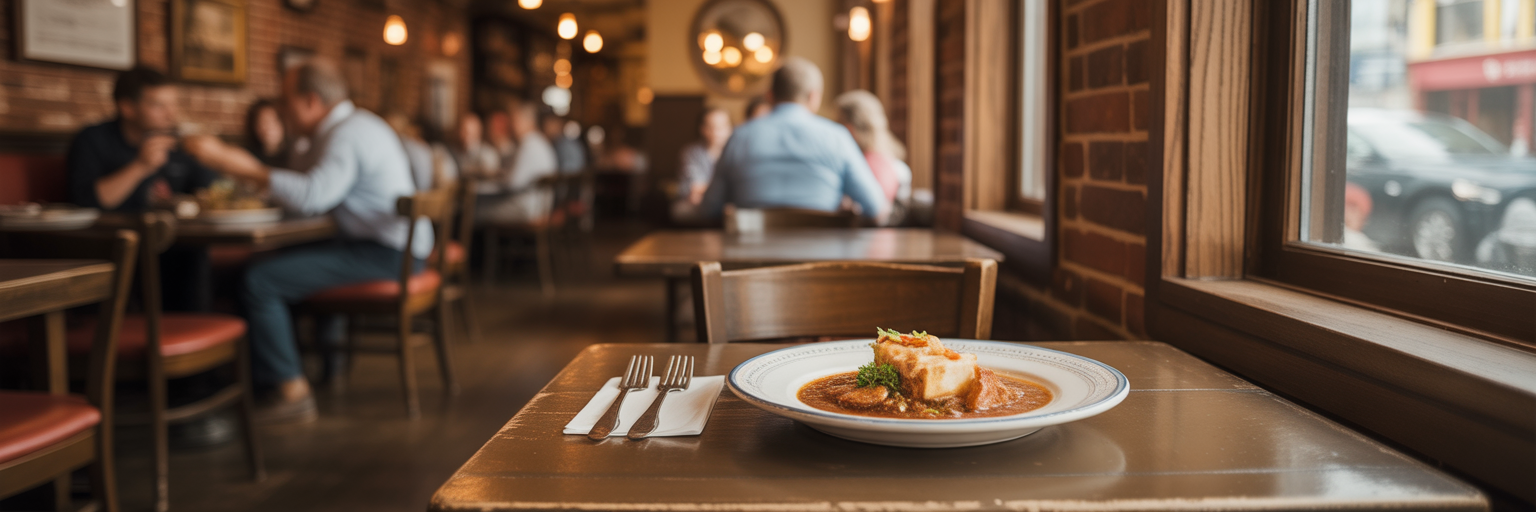
To truly understand Salem, you must eat here. The city’s food scene is fiercely independent and deeply connected to the agricultural abundance of the Willamette Valley. This is a curated list of the best local restaurants Salem Oregon, the places that have earned the unwavering loyalty of the community.
Morning Rituals: Coffee and Breakfast Staples
The line snaking out the door of Word of Mouth Neighborhood Bistro is a weekend fixture. Locals know the wait is always worth it. Inside, the cozy, eclectic space is buzzing with energy. This is the quintessential Salem brunch spot, famous for its decadent Crème Brûlée French Toast and hearty scrambles. It is a place where the food is as comforting as the atmosphere.
Midday Classics: Lunch Spots with History
For a classic Salem lunch, locals head to The Old Firehouse Restaurant. Housed in a beautifully restored historic building, it has been a downtown institution for years. The menu is filled with comforting Oregon cuisine, and it is the kind of reliable, unpretentious place that has served generations of city workers and families. It is a taste of the city’s history.
Evening Bounty: Farm-to-Table Dining
Epilogue Kitchen and Cocktails perfectly embodies the modern Salem dining scene. With its literary theme and unwavering commitment to local sourcing, it is a celebration of the Willamette Valley. The menu changes with the seasons, reflecting what is fresh from nearby farms. Dishes often feature regional treasures like local hazelnuts, marionberries, or a rich pinot noir reduction. It is where the valley’s bounty is transformed into culinary art. Just as Salem has its own unique culinary identity, other cities offer their own local flavors worth exploring. For example, you can find a similar breakdown of essential food spots in this guide to Longview, Texas.
Community Hubs: Breweries and Local Watering Holes
In Salem, breweries are community centers. A place like Santiam Brewing is a perfect example. It is more than just a place to get a great pint of Pirate Stout. It is a friendly, casual hub where you will find trivia nights, live music, and a loyal following of regulars. For a different vibe, there are old-school, no-frills bars that have served as beloved local watering holes for decades, places where the city’s history is etched into the very walls.
This table highlights a few of the city’s most beloved, locally owned establishments, chosen for their history, community role, and signature dishes. These are the places Salem residents return to again and again.
| Restaurant Name | Vibe / Known For | A Must-Try Dish |
|---|---|---|
| Word of Mouth Neighborhood Bistro | Cozy, eclectic, and always busy. The quintessential brunch spot. | Crème Brûlée French Toast |
| The Old Firehouse Restaurant | Historic, classic, and comforting. Housed in a former fire station. | Marionberry Cobbler |
| Epilogue Kitchen and Cocktails | Modern, literary-themed, and committed to local sourcing. | The Burger with house-made pickles |
| Santiam Brewing | Casual, friendly, and community-focused. A true neighborhood pub. | Pirate Stout (and a pretzel) |
| Christo’s Pizzeria | Old-school, family-owned, and a Salem staple for decades. | The Greek-style pizza |
The Daily Life and Local Pulse
So, what is it really like living in Salem Oregon? It is about finding a comfortable middle ground. The pace of life is productive but not frantic. There is a sense of purpose that comes with being the state capital, but it lacks the stressful, anonymous urgency of a major metropolis. This translates into friendlier, more patient interactions in daily life, whether you are at the DMV or the grocery store.
Traffic is a perfect example of this balance. Yes, locals will complain about predictable rush hour congestion on key arteries like Lancaster Drive or the Center Street Bridge. But in the grand scheme of things, it is a minor inconvenience. Most of the day, getting around is easy, a reality that residents who have lived elsewhere do not take for granted.
The cost of living also hits a sweet spot. Regarding the cost of living, data from sources like Payscale indicates that Salem’s overall cost of living is about 6% higher than the national average, but still significantly more affordable than Portland. This financial reality is a major factor for many who choose to live here. You can feel this difference in the housing market, where the established, hilly neighborhoods of West Salem offer a different character and price point than the more sprawling, suburban feel of South Salem.
The Pacific Northwest weather profoundly shapes the local culture. The long, gray, drizzly winters are not seen as something to be endured, but as an excuse to embrace a cozy indoor culture. This is when local bookstores, cafes, and breweries become warm, inviting community living rooms. Then, when the warm, dry summer finally arrives, the city explodes with life. The parks and the river become the city’s collective backyard, and every sunny day feels like a gift.
Ultimately, living in Salem is about being part of a deeply rooted community. You see it in the intense loyalty to local high school sports teams, the way residents rally for community fundraisers, and the shared, quiet pride in the city’s connection to the Willamette Valley. It is a place that knows exactly what it is, and for the people who call it home, that is more than enough. Understanding the day-to-day life of a city is key to truly knowing it. If you’re curious about how other places compare, you can explore our full collection of authentic city guides.