The City’s True Pulse
San Francisco packs an immense amount of culture into a compact seven-by-seven-mile square, a fact that shapes everything from its weather to its worldview. To truly understand it, you have to look beyond the bridges and cable cars and see the city for what it is: a collection of fiercely independent villages. This neighborhood-centric approach is key to understanding many urban destinations, and it’s the only way to have a genuinely non touristy san francisco experience.
A City of Villages, Not a Monolith
You don’t just visit San Francisco; you visit its neighborhoods. Walking a few blocks can feel like crossing a border. The Mission District pulses with the energy of its Latinx roots, the scent of fresh tortillas from corner taquerias mixing with the vibrant colors of street murals. Head north, and you’re suddenly in North Beach, where the air smells of espresso and garlic, and the Italian heritage is palpable in the delis and cafes. Each neighborhood has its own uniform, its own pace, and its own history. This is the core of the city’s identity, a patchwork of communities that often feel worlds apart despite being minutes from each other. You can find more about this approach in our city guides.
The Weather is a Personality Trait
Forget what you know about California sunshine. San Francisco’s weather is a character in itself, and its name is Karl the Fog. The city is famous for its microclimates, meaning it can be sunny and warm in the Mission while the Richmond District is socked in with a chilly, damp fog. This isn’t an exaggeration; it’s a daily reality. Locals live by one rule: layering. A t-shirt, a sweater, and a light jacket are standard issue, because you’ll likely wear all three over the course of a single day. Checking the weather for “San Francisco” is useless; you have to check it for the specific neighborhood you’re heading to.
Beyond the Gold Rush and Tech Boom
The city’s history is a story of constant reinvention. It was built on the feverish dreams of the Gold Rush, became the epicenter of the 60s counter-culture movement, and stood as a beacon for LGBTQ+ rights. Now, it’s known for the tech boom. These layers don’t just disappear; they coexist, often clashing and creating the tension that gives the city its dynamic, progressive, and sometimes contradictory spirit. You can feel it in the streets, where historic Victorian homes sit next to minimalist tech offices and old-school dive bars serve craft cocktails.
Compact and Walkable, With a Catch
The 7×7 mile footprint makes San Francisco incredibly walkable. It’s one of the best ways to discover the hidden alleys and stairways that connect its neighborhoods. But there’s a catch: the hills. They are not gentle slopes; they are calf-burning, heart-pounding climbs. This is where the Muni transit system becomes a local’s best friend. The network of buses, streetcars, and light rails is how the city moves. It’s not always perfect, but it’s an essential part of navigating the city’s challenging topography without giving up.
Weekend Rituals and Weekday Escapes
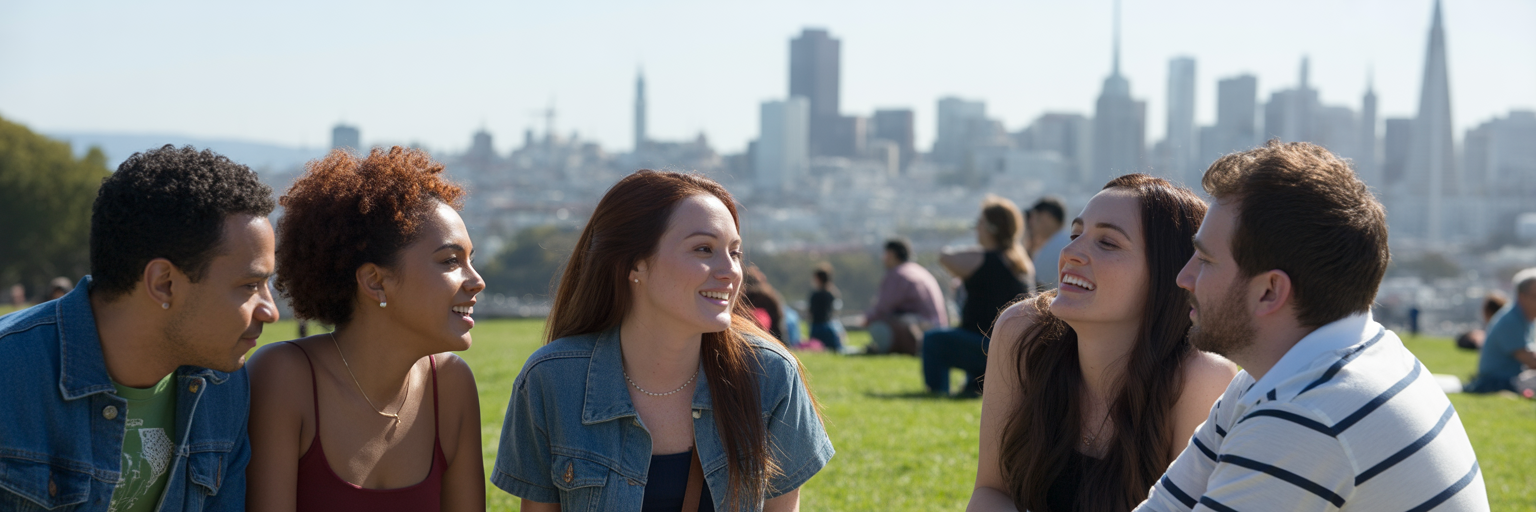
To understand what makes San Francisco tick, you have to look at how locals spend their downtime. It’s less about grand events and more about small, cherished rituals that connect them to their neighborhoods and the natural beauty that surrounds the city. These are the local things to do sf that you won’t find in most travel brochures.
Park Life Beyond the Main Attractions
San Franciscans treat their parks like backyards. While tourists flock to a few specific spots, locals have a more nuanced relationship with the city’s green spaces. Golden Gate Park, for instance, is too massive to be a single destination. Instead, residents go with a purpose. You might spend an afternoon watching the bison in their paddock, walking the trails around Stow Lake, or admiring the Dutch Windmills near Ocean Beach. Dolores Park in the Mission is the city’s sunny, social hub, where people gather to picnic and people-watch on any day the fog breaks. For a more rugged experience, the Presidio offers miles of hiking trails with dramatic views of the Golden Gate Bridge.
- For a quiet walk: Head to the San Francisco Botanical Garden within Golden Gate Park to escape the crowds and explore its diverse plant collections.
- For a classic SF view: Pack a picnic and find a spot on the western edge of the park near the Dutch Windmills, where you can see the Pacific.
- For a bit of history: Explore the AIDS Memorial Grove, a dedicated space for reflection tucked away in a serene corner of the park.
The Importance of Neighborhood Street Fairs
Throughout the year, the city’s neighborhoods come alive with street fairs that are less about tourism and more about community celebration. The Haight-Ashbury Street Fair is a vibrant nod to the area’s hippie past, filled with local artists and musicians. The Castro Street Fair celebrates the neighborhood’s LGBTQ+ heritage, while smaller events in areas like North Beach or the Mission showcase local food, crafts, and culture. These aren’t just parties; they are affirmations of neighborhood identity.
Live Music in Historic, Intimate Venues
The city has a rich musical history, and it’s best experienced in its legendary, smaller venues. Places like The Fillmore, with its iconic concert posters and chandeliers, feel like a step back in time. The Great American Music Hall offers a similarly ornate, historic setting, while Bottom of the Hill in Potrero Hill is a beloved spot for catching up-and-coming indie bands. These venues are cherished for their history and excellent acoustics, offering an intimacy that larger arenas can’t match.
Art in the Streets and Small Galleries
San Francisco’s art scene isn’t confined to museums. The Mission District is a living gallery, with its alleys serving as canvases for powerful murals. Balmy Alley and Clarion Alley are the most famous, showcasing decades of political and cultural expression. Beyond the Mission, neighborhoods like the Dogpatch and Hayes Valley are home to independent galleries where you can see work from local artists without the crowds of the major institutions.
Active Pursuits Along the Water’s Edge
With water on three sides, it’s no surprise that locals are drawn to the coast. A run or walk along the Embarcadero offers stunning views of the Bay Bridge and the city skyline. For a different perspective, you can rent a kayak and paddle around the houseboats in Mission Creek. On the west side of the city, a long walk along the wild and windswept Ocean Beach is a perfect way to clear your head and watch the waves crash against the shore.
| Park Name | Neighborhood | Primary Vibe | Best For |
|---|---|---|---|
| Dolores Park | Mission District | Social & Vibrant | People-watching, sunbathing, and weekend picnics. |
| Golden Gate Park | Richmond/Sunset | Expansive & Diverse | Specific destinations: Japanese Tea Garden, Conservatory of Flowers, or a walk around Spreckels Lake. |
| The Presidio | Northern Tip | Wild & Historic | Serious hiking with dramatic bridge views and exploring old military installations. |
| Bernal Hill Park | Bernal Heights | Quiet & Panoramic | A 360-degree city view without the crowds, popular for dog walking. |
The City’s Best-Kept Secrets
Once you’ve grasped the neighborhood rhythms, you can start to uncover the layers that most visitors miss. These are the san francisco hidden gems that reward curiosity and a willingness to wander off the main path. As highlighted in a BBC Travel article, finding these local-approved gems is what separates a trip from an experience.
Stairways That Double as Art and Exercise
The city’s steep hills are connected by a network of public stairways, many of which have been transformed into beautiful, hidden treasures. The Filbert Street Steps on Telegraph Hill are perhaps the most famous among locals, taking you through lush, manicured gardens with parrots flitting through the trees. Over in the Sunset, the 16th Avenue Tiled Steps are a stunning community art project, with a colorful mosaic that flows up 163 steps. They are more than just a way to get from A to B; they are rewarding urban hikes.
- Start at the base of the 16th Avenue Tiled Steps (at Moraga Street) and take your time admiring the intricate mosaic design.
- Once at the top, continue up one more block to Grandview Park.
- From the peak of this small park, you’ll be rewarded with one of the most breathtaking panoramic views of the entire city, from the Golden Gate Bridge to downtown.
Underrated Green Spaces for a Quiet Escape
Beyond the big-name parks, there are smaller green spaces that serve as true local sanctuaries. Glen Canyon Park offers a surprisingly rugged canyon and creek right in the middle of the city, with trails that make you forget you’re in a major metropolitan area. In the Sunset, Stern Grove is famous for its free summer concert series, but it’s a peaceful place for a walk any time of year. For a picture-perfect view of the downtown skyline without the crowds, the tiny, terraced Ina Coolbrith Park on Russian Hill is an unbeatable spot.
Quirky Landmarks That Tell a Story
San Francisco’s eccentric soul is best revealed through its quirky landmarks. At the edge of the marina, you’ll find the Wave Organ, a sound sculpture built with pipes that interact with the tides to create subtle, gurgling music. It’s a strange and meditative place. In the Richmond District, the Columbarium is a stunning neoclassical rotunda that houses the ashes of generations of San Franciscans. It’s a quiet, beautiful, and slightly eerie piece of the city’s history that is open to the public.
Exploring Overlooked Neighborhoods
Some of the city’s most authentic experiences are found in neighborhoods that don’t make it onto the typical itinerary. The Inner Richmond, along Geary Boulevard, is a hub for some of the best dim sum and Russian bakeries in the city. It’s a slice of old San Francisco that feels a world away from the downtown hustle. Similarly, Bernal Heights has a distinct village-like feel, with a charming main street on Cortland Avenue and a community spirit that’s hard to find elsewhere. The view from the top of Bernal Hill is a local favorite, offering a 360-degree panorama that rivals any other in the city. Finding beauty in these less-traveled areas is a rewarding pursuit, much like exploring other hidden local spots.
Where San Francisco Really Eats
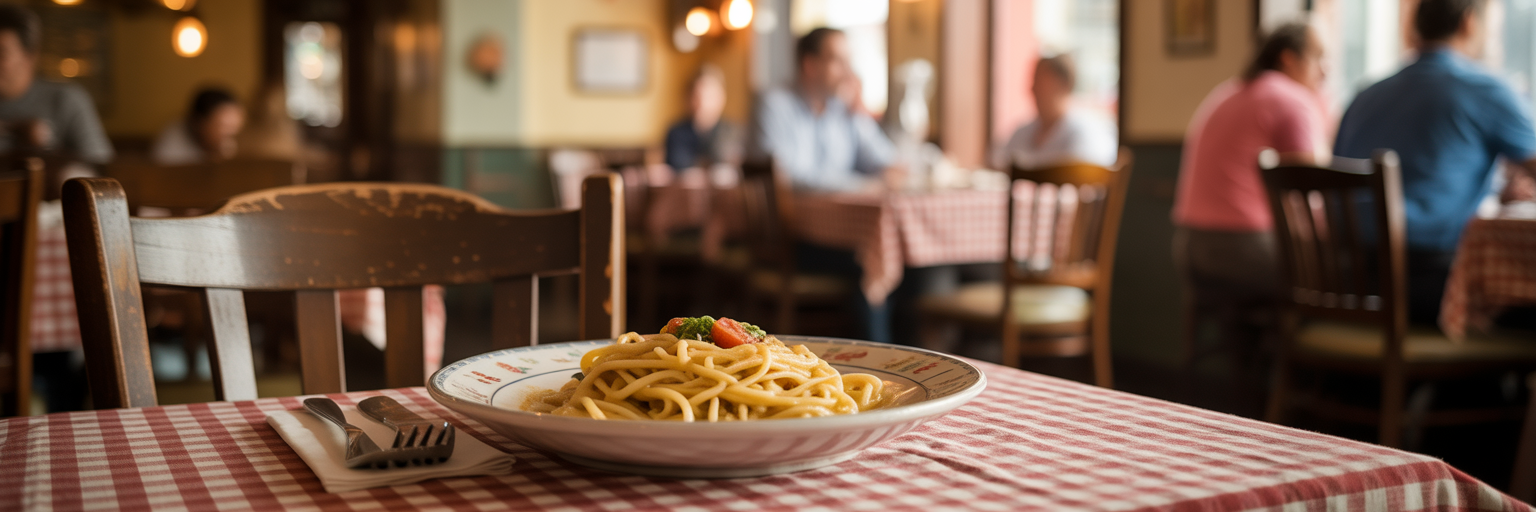
To find the best local restaurants san francisco has to offer, you have to understand that food here is deeply tied to neighborhood culture and history. Forget the tourist traps; the city’s culinary heart beats in small, locally-owned institutions that have been serving the community for decades. As the comprehensive dining guide from Eater SF often confirms, these are the places that truly define the city’s food scene. You can see their full guide here.
The Mission Burrito as a Cultural Institution
The Mission-style burrito is San Francisco’s most iconic culinary contribution, and the debate over who does it best is a serious local pastime. The two main contenders are La Taqueria, famous for its unique rice-less burritos that are perfectly grilled and crispy, and El Farolito, the go-to for massive, classic burritos that are the perfect late-night meal. The experience is part of the ritual: you wait in line, shout your order, and find a spot to eat your foil-wrapped prize. It’s more than a meal; it’s a cultural rite of passage.
Chinatown’s Culinary Cornerstones Beyond the Facade
While Grant Avenue is the main tourist drag in Chinatown, the best food is found on the side streets and in the alleys. For incredible to-go dim sum, locals line up at Good Mong Kok Bakery, where you can get a box of delicious, steaming dumplings for just a few dollars. For a sit-down meal, Z & Y Restaurant is legendary for its fiery and authentic Sichuan cuisine. It’s a no-frills spot where the focus is entirely on the bold, numbing flavors of the food.
North Beach’s Enduring Italian Soul
North Beach is the city’s historic Italian quarter, and while some spots cater to tourists, there are institutions that remain fiercely local. Original Joe’s is a classic, serving up Italian-American comfort food in a lively atmosphere with tuxedoed waiters. It’s a place for celebrations and family dinners. For something simpler, Liguria Bakery has been making some of the city’s best focaccia for over a century. They often sell out by noon, so you have to get there early.
The Art of the Neighborhood Brunch
San Franciscans take brunch very seriously, and they are willing to wait in long lines for their favorite spots. In Cole Valley, Zazie is a beloved French bistro with a beautiful back patio that feels like a European escape. Over in Potrero Hill, Plow serves up simple, perfectly executed breakfast classics in a bright, welcoming space. The long waits at these places are a testament to their quality and the loyalty of their local following. This dedication to a strong culinary identity is something we see in other cities too, like in our guide to Longview.
Seafood Without the Tourist Traps
Avoid Fisherman’s Wharf at all costs. For a true San Francisco seafood experience, head to Swan Oyster Depot, a tiny, old-school seafood counter that has been serving fresh oysters, crab, and clam chowder for over a century. The line is always long, but the experience is unforgettable. For a more modern take, Hog Island Oyster Co. at the Ferry Building offers stunning bay views and impeccably fresh oysters sourced from their own farm.
- La Taqueria: Carne Asada Burrito (no rice, crispy style)
- Z & Y Restaurant: Chicken with Explosive Chili Pepper
- Original Joe’s: Eggplant Parmigiana or the Joe’s Special
- Plow: The Plow (two eggs, lemon ricotta pancakes, and choice of meat)
- Swan Oyster Depot: A combination seafood salad and a half-dozen oysters
The Rhythm of Daily Life
Understanding what to do in SF like a local means looking beyond the activities and getting a feel for the city’s daily rhythm. It’s a place of contrasts, where ambition and relaxation, convenience and frustration, all coexist. This is the reality of life in the seven-by-seven square.
The Duality of Hustle and Chill
The city is undeniably driven by the ambition of the tech industry. There’s a palpable energy of innovation and a fast-paced work culture. Yet, there’s an equally strong appreciation for work-life balance. People here work hard, but they also value their weekends. A challenging hike in the Marin Headlands or a lazy afternoon in a park is seen as a necessary counterbalance to the weekday hustle. It’s a culture that tries to blend intense professional drive with a deep-seated appreciation for nature and personal time.
Navigating the City’s Transit Web
Living in San Francisco often means forgoing a car. Parking is a nightmare, the hills are treacherous, and car break-ins are frustratingly common. As a result, locals have a complex, love-hate relationship with the Muni system. It can be slow and unreliable, but it’s the backbone of the city’s transit. Residents learn its quirks, track buses with apps, and rely on smart solutions to streamline their urban navigation. This reliance on technology to manage daily commutes is a key part of modern city living, and tools like those from Autonix show how data can simplify complex transportation challenges.
The Unspoken Reality of Cost
There’s no way to talk about life in San Francisco without acknowledging the staggering cost of living. It’s a constant pressure that shapes nearly every aspect of daily life. It means people live in smaller spaces, prioritize experiences over material possessions, and become incredibly resourceful. This economic reality also contributes to some of the city’s most pressing social issues. It’s a challenging environment, and it requires a certain resilience to thrive here.
A Culture of Niche Communities
Because the city is so diverse and compact, its social fabric is woven from countless niche communities. You can find a group for almost any interest, whether it’s urban gardening, board games, rock climbing, or experimental music. This is how people find their footing and build deep connections. San Francisco isn’t a city where you’ll know everyone, but it is a place where you can find your people. It’s this ability to find your tribe that makes the city feel like home. For more on cities with distinct local rhythms, you can always start at our homepage.