The Soul of a Texas City
San Antonio’s story begins long before Texas was a state, with its founding in 1718. That history isn’t trapped behind glass in a museum. It’s a living, breathing part of the city’s modern rhythm. While it’s the second-largest city in Texas by population, San Antonio operates with the soul of a much smaller town. This isn’t a place that runs on the high-octane fuel of Dallas or Houston. The pace here is more deliberate, more connected to community and tradition. It’s a city that invites you to slow down, not speed up.
The most defining characteristic of San Antonio is its profound and visible Mexican and Tejano heritage. This isn’t just a demographic footnote. It’s the cultural bedrock of the city. You hear it in the Spanish spoken fluently in the aisles of H-E-B, you see it in the vibrant murals celebrating cultural icons that adorn buildings in the West Side, and you feel it in the accordion-driven sounds of conjunto music drifting from a backyard barbecue. This deep-rooted identity is what makes San Antonio feel fundamentally different from other Texas cities, whose cultures are often shaped more by recent waves of transplants. This is an authentic San Antonio guide to understanding that difference.
To truly know the city, you have to understand it as a collection of distinct neighborhoods, each with its own personality. Locals don’t think of their city in terms of the tourist loop. They identify with their specific corner of it. The King William district, with its stately, historic German mansions, feels worlds away from the bohemian, artistic energy of Southtown and the Blue Star Arts Complex. Navigating San Antonio means learning the character of these areas, from the quiet residential streets of Alamo Heights to the bustling, family-oriented neighborhoods of the North Side.
This guide is designed to bypass the heavily marketed attractions that dominate postcards. Instead, we’ll focus on the routines, places, and flavors that define the genuine experience for those who call San Antonio home. We’re going to explore the city not as a visitor, but as a temporary resident, someone looking to connect with its true character.
Weekend Routines and Local Pastimes
When you want to know what to do in San Antonio, the best answer is to look at how locals spend their weekends. It’s less about single events and more about recurring rituals that center on community, nature, and good food. These are the pastimes that truly define the city’s character.
Paddling and Pedaling the Mission Reach
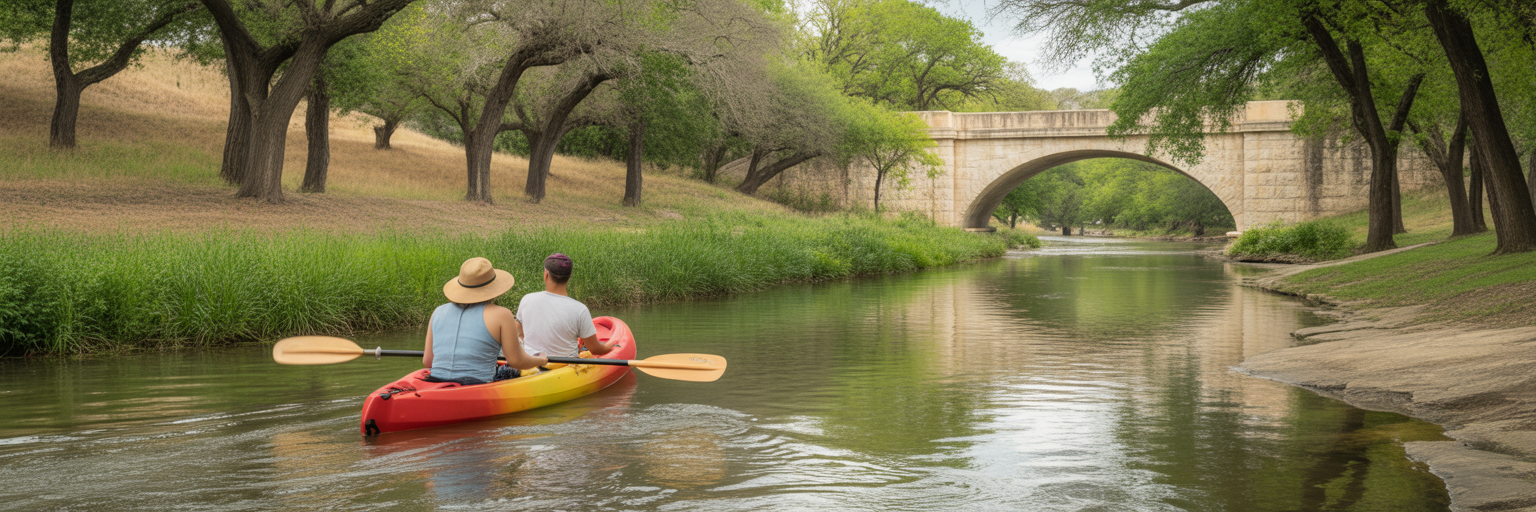
Forget the crowded, commercialized downtown River Walk. For locals, the river experience is the Mission Reach. This eight-mile southern stretch of the San Antonio River has been restored to a more natural state, with native grasses and trees lining the banks. On any given weekend, the paved trails are filled with residents cycling, running, or walking their dogs. You’ll see families kayaking on the water, paddling past egrets and herons. It’s a peaceful, unmanicured escape that feels a world away from the city buzz, offering a glimpse into the area’s original landscape.
Brackenridge Park: The City’s Backyard
Brackenridge Park is more than just a green space. It’s a multi-generational institution and one of the most beloved San Antonio local spots. On a typical Sunday, the air is thick with the smell of barbecue as families gather for carne asada cookouts, a tradition passed down through generations. Kids run freely on the playgrounds, while couples stroll through the serene Japanese Tea Garden, a stunning oasis built into an old rock quarry. It’s a living portrait of San Antonio’s community fabric, a place where people from all walks of life come together to simply relax and be with family.
The Pearl: A Weekend Gathering Spot
The Pearl, built on the grounds of the former Pearl Brewery, has become the city’s modern town square. The weekend farmers market is the main draw, a bustling affair where you can find everything from local produce and artisanal cheeses to handmade crafts. The central lawn is usually dotted with people lounging on blankets, while kids splash in the fountains. It’s a place for relaxed socializing, where the vibe is stylish but unpretentious. You’ll see locals capturing moments on their phones, often protected by thoughtfully designed gear like a sustainable iPhone case from COCOMII that matches their personal style, blending function with a bit of flair.
Community Rhythms: First Fridays and Local Festivals
The city’s pulse can be felt in its recurring community events. These are a few staples of the local calendar:
- First Friday in Southtown: On the first Friday of every month, the art galleries in the Blue Star Arts Complex and the surrounding King William and Lavaca neighborhoods open their doors. The streets fill with people as local artists set up booths on the sidewalks, and live music spills out from bars and pop-up stages.
- Mission Reach Flotilla Fiesta: This is the quirky, local-centric alternative to the main Fiesta River Parade. Instead of elaborate floats, you’ll find people in brightly decorated kayaks and canoes, creating a festive, grassroots procession on the water.
- Seasonal Farmers Markets: Beyond the Pearl, smaller neighborhood markets pop up across the city, reinforcing a strong connection to local agriculture and offering a more intimate shopping experience.
For live music, locals often head to the St. Mary’s Strip. It’s a stretch of road lined with unpretentious venues where you can discover local and regional rock, indie, and Tejano bands without the downtown cover charges.
Exploring the City’s Quiet Corners
Beyond the weekend crowds and scheduled events, San Antonio is full of quiet corners that reward slow exploration. These are the hidden gems San Antonio residents cherish, places that offer a deeper connection to the city’s history and atmosphere. Finding them is how you begin to understand the city’s soul.
A Walk Through History in the King William District
Take a self-guided walking tour through the King William Historic District. This neighborhood was settled by prosperous German immigrants in the late 19th century, and their grand Victorian mansions still line the streets. What makes it interesting is the contrast. Tucked between these opulent homes are smaller, simpler cottages built from “caliche block,” a local limestone material. This architectural mix tells a fascinating story of the city’s class structure and cultural history, all within a few quiet, tree-lined blocks.
Lavaca: The Oldest and Quirkiest Neighborhood
Just south of downtown, Lavaca is the city’s oldest surviving neighborhood. It’s a place to get intentionally lost. Its narrow streets are a colorful maze of brightly painted shotgun houses, hidden community gardens, and unexpected street art. There’s an independent, creative spirit here that feels both historic and fiercely modern. It’s a neighborhood that doesn’t reveal itself all at once, rewarding those who take the time to wander its streets without a specific destination.
An Escape to the Hill Country
When locals need to decompress, they head for the hills. A short drive out of the city offers a dramatic change of scenery. A classic route is to take Highway 16 north towards Bandera. The urban sprawl quickly gives way to the rolling hills, majestic live oaks, and wide-open skies of the Texas Hill Country. This is how residents clear their heads and reconnect with the natural beauty that surrounds the city.
Beyond the Alamo: Mission San Juan Capistrano
While tourists flock to the Alamo, locals seeking a more contemplative historical experience often visit the other Spanish colonial missions. Mission San Juan Capistrano is particularly special. It’s quieter and less crowded, allowing you to appreciate its serene atmosphere. You can see the still-operating historic farm and the visible remnants of the acequia, the ancient irrigation ditch system that was the lifeblood of the community. It offers a more authentic and peaceful look into the area’s colonial past.
A Different View from the Hays Street Bridge
The Hays Street Bridge is a beloved local landmark. This restored railroad bridge is now a pedestrian and cyclist crossing that offers one of the best, most unobstructed views of the downtown skyline. It’s a favorite spot for photographers, runners, and residents who come for a moment of perspective, especially at sunrise or sunset. It’s a simple pleasure, but one that connects you directly to the city’s landscape. Exploring these unique local spots is a great way to understand a city’s character, a truth that applies to any Texas town, much like what is detailed in an honest guide to Conroe, Texas.
Where San Antonio Actually Eats
In San Antonio, food is not just sustenance. It is tradition, loyalty, and community. The best food in San Antonio is often found in unassuming, family-owned spots that have been serving the same recipes for generations. Forget the trendy chains. This is where the city’s heart truly lies. As a Texas Monthly insider’s guide to San Antonio once highlighted, these local spots are central to the city’s identity.
Mi Tierra: A Tourist Spot Locals Still Love
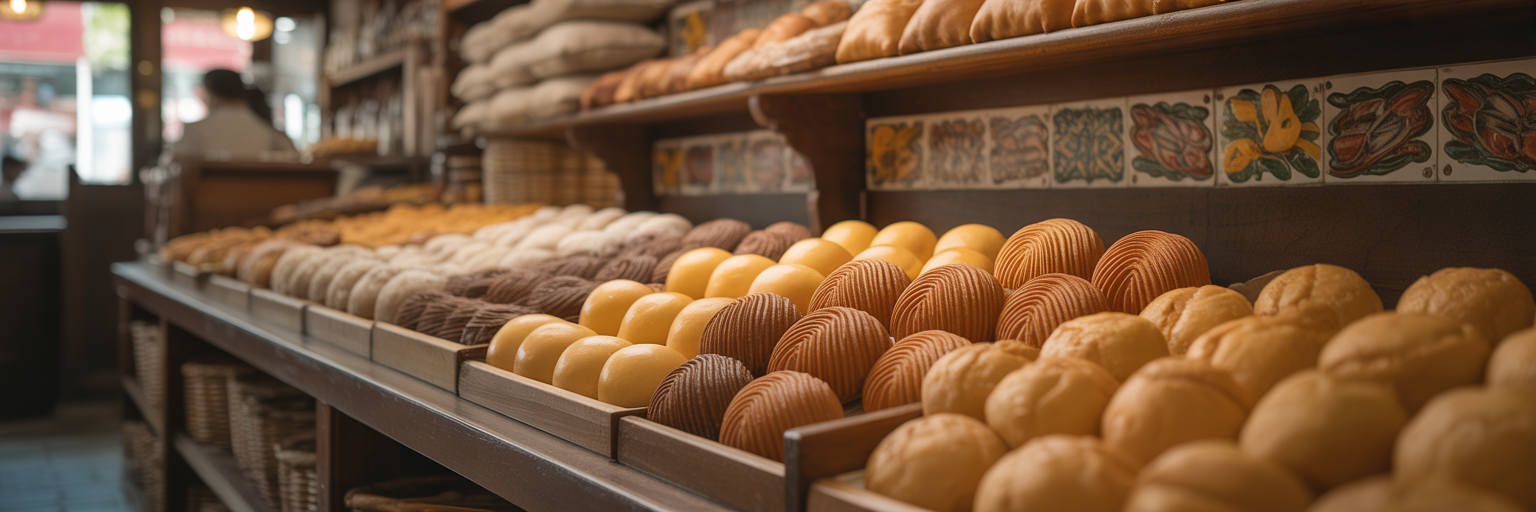
Yes, Mi Tierra is located in the heart of the tourist-heavy Market Square, and yes, it’s filled with visitors. But make no mistake, locals still go. Why? Because it’s a tradition. It’s open 24/7, making it the go-to spot after a late-night concert or event. The sprawling panadería (bakery) at the entrance is a destination in itself, with display cases full of colorful pan dulce. And for major family celebrations like birthdays, anniversaries, and graduations, its festive, over-the-top atmosphere is a landmark. It’s a place for making memories.
The Puffy Taco: A San Antonio Original
You cannot claim to know San Antonio food until you’ve had a puffy taco. It’s a local invention, a corn tortilla that puffs up into a light, airy, and crispy shell when fried. The place to experience it in its most authentic form is a spot like Ray’s Drive Inn. The atmosphere is no-frills, a step back in time to a classic drive-in. The taco itself is a textural wonder, simultaneously crispy, airy, and slightly chewy, filled with perfectly seasoned ground beef. This isn’t just a meal. It’s a culinary rite of passage.
The Cove: A Taste of Modern, Laid-Back SA
The Cove represents the city’s more contemporary, laid-back side. It operates under a “SOL” (Sustainable, Organic, Local) food philosophy, serving up delicious burgers and fish tacos. But it’s so much more than a restaurant. It has an impressive craft beer selection, a playground for kids, a laundromat, and a live music stage. It’s a uniquely San Antonio concept, a family-friendly community hub where you can get a great meal, do your laundry, and listen to a local band all in one place. It shows how the city’s culture is evolving without losing its relaxed, community-focused vibe. This deep-rooted food culture is something you’ll find in other Texas cities too, each with its own flavor, like in this guide to Bryan, Texas.
The Breakfast Taco Ritual
In San Antonio, the breakfast taco is not a trend. It is a daily ritual. And one of the most beloved spots is The Original Donut Shop on Fredericksburg Road. The name tells you half the story. They serve fresh, delicious donuts. But the other half is the line of cars snaking around the building for their top-tier breakfast tacos. The combination of fresh donuts and perfectly made tacos, served from a humble walk-up window, perfectly illustrates the city’s unique, unpretentious culinary identity. It’s simple, it’s delicious, and it’s pure San Antonio.
A Guide to Essential San Antonio Bites
| Food Experience | The Vibe | Best For… | Where to Try It |
|---|---|---|---|
| Breakfast Tacos | Fast, casual, morning ritual | A quick, satisfying start to the day | The Original Donut Shop, Taco Haven |
| Puffy Tacos | Old-school, no-frills, uniquely SA | A casual lunch or dinner experience | Ray’s Drive Inn, Henry’s Puffy Tacos |
| Barbacoa & Big Red | Weekend tradition, family-oriented | A classic Sunday morning treat | Tommy’s Restaurant, Tellez Tamales & Barbacoa |
| Pan Dulce | Warm, fragrant, community bakery | An afternoon snack or dessert | Mi Tierra Café y Panadería, Bedoy’s Bakery |
The Rhythm of Daily Life
Understanding living in San Antonio Texas means attuning yourself to its unique rhythm. The pace of life here is noticeably slower and more relaxed than in other major Texas cities. People are more likely to make small talk with you in a checkout line, and there’s a general absence of the frantic urgency that defines life in a larger metropolis. It’s a city that values connection over efficiency.
There are practicalities to this rhythm. A car is necessary to navigate the sprawling city, but rush hour traffic is generally less intense than what you’d find in Austin or Houston. The climate also dictates the flow of daily life. The long, hot summers mean that outdoor activities like running or yard work are reserved for the early morning or late evening hours. The city collectively slows down in the afternoon heat. In return, the mild winters are a major perk, allowing for year-round patio dining and visits to the park.
The city’s relative affordability is a key factor in its strong community culture. It allows for stable, diverse neighborhoods where people put down roots. According to the San Antonio Report, many essential experiences in the city are low-cost or free, which contributes to an accessible and inclusive culture. This isn’t a city where you have to spend a lot of money to have a good time. The unique community culture is a hallmark of many Texas cities, each with its own distinct character, as you might see in a guide to Killeen, Texas.
Ultimately, living in San Antonio is about finding your “pueblo”—your village within the city. It’s about participating in local traditions, whether that’s the city-wide party of Fiesta, the intense loyalty of high school football, or the simple ritual of a Sunday family barbecue. It’s a city with a rich, ongoing story, and it invites you to become a part of it. For those interested in exploring more of what makes Texas cities unique, our collection of city guides offers similar local perspectives.