Long before a mouse built a castle here, Anaheim was a quiet colony founded in 1857 by German families hoping to cultivate a new wine country. That history, often overshadowed, is the key to understanding the city’s true character.
Getting to Know the Real Anaheim
From Vineyards to Citrus Groves: The City’s Roots
The city’s story begins not with animation, but with agriculture. Those German settlers established a thriving wine industry that flourished for decades until a blight wiped out the vineyards in the 1880s. Instead of giving up, they pivoted, planting the citrus groves that would define Southern California for the next century. This transition from grapes to oranges shaped Anaheim’s physical landscape. The wide, grid-like streets were designed for transporting produce, not for tourist traffic. The historic neighborhoods, like the Anaheim Colony, are filled with homes built for the families who worked the land. This agricultural backbone gives the city a grounded, unpretentious feel that persists today.
The Vibe: Suburban Comfort Meets Working-Class Heart
With a population of around 350,000, Anaheim is a large city, but it doesn’t feel like a metropolis. It’s fundamentally a suburban community with a strong working-class foundation. Unlike the glamorous coastal cities of Orange County, Anaheim is less about beach culture and more about family life, community sports, and practicality. It’s a place where people put down roots, raise families, and build lives away from the spotlight. The city is diverse, with a blend of cultures that contributes to its rich food scene and vibrant neighborhood life. The atmosphere is comfortable and familiar, a place built for living, not just visiting.
Navigating the Neighborhoods Beyond the Resorts
To understand Anaheim, you need a simple mental map. The historic core is centered around the Center Street Promenade, where you’ll find preserved buildings, independent shops, and a glimpse of the original downtown. To the east is the Platinum Triangle, a modern, developing area that includes Angel Stadium and the Honda Center. This is the city’s entertainment hub, but it’s just one piece of the puzzle. The vast majority of Anaheim is made up of sprawling residential tracts, each with its own character and local hangouts. Understanding the distinction between the historic center, the modern entertainment district, and the quiet residential zones is the first step to seeing the city through a local’s eyes. This is the foundation of what it’s like living in Anaheim California, a city of distinct parts that form a cohesive whole. Our city guides always aim to uncover this kind of authentic local character.
Weekend Plans the Local Way
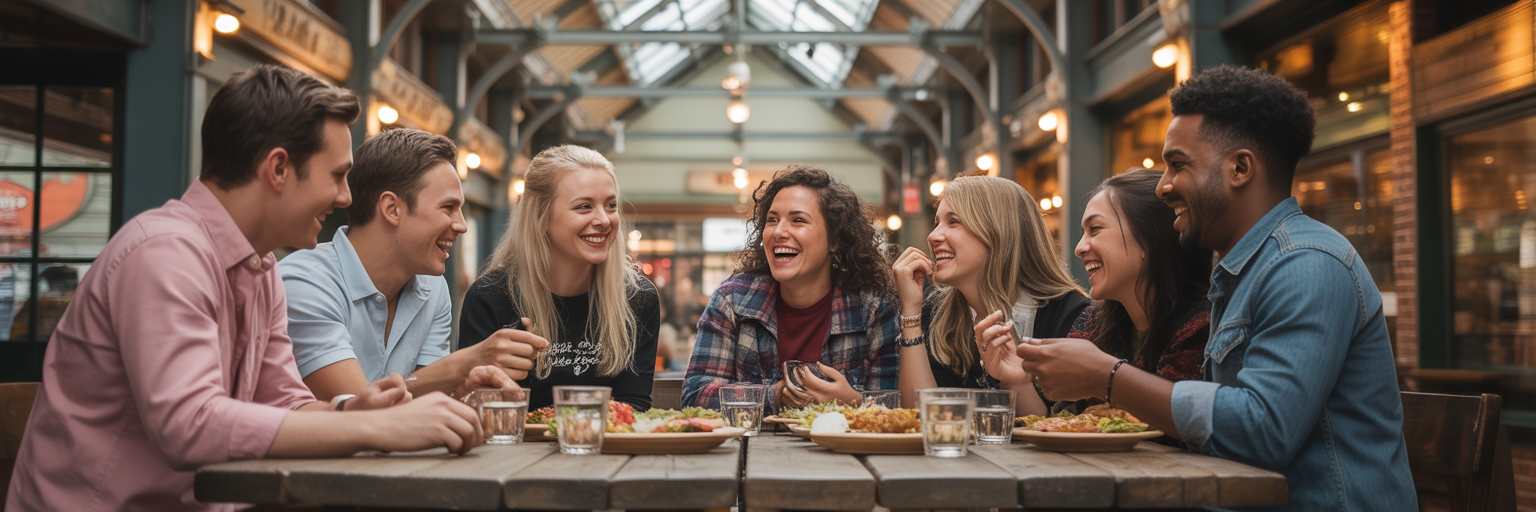
When the weekend arrives, Anaheim residents have their own routines that have little to do with the theme parks. Local life is about community gathering spots, staying active, and celebrating together. Finding things to do in Anaheim besides Disneyland is easy when you know where to look.
Community Hubs: Parks and Packing Houses
A classic weekend might start at Pearson Park, one of the city’s oldest public spaces. It’s not a flashy destination, but a true community hub with a beautiful amphitheater for summer concerts, quiet gardens, and plenty of space for family picnics. It’s where you go to relax and feel connected to the neighborhood. For a more lively social scene, the Anaheim Packing District is the undisputed center of local life. Housed in a restored 1919 Sunkist citrus packing facility, this two-story food hall is an architectural gem. The experience is a feast for the senses: the industrial-chic design, the buzz of conversation, the smell of dozens of local food vendors cooking up everything from ramen to gourmet grilled cheese, and often the sound of a live band playing on the mezzanine. As a guide on ActiveRain highlights, the Packing House is a top spot for casual dining and entertainment among residents. It’s where you meet friends for dinner, take the family for a treat, or just soak in the energetic atmosphere.
For the Active and Competitive
Anaheim locals also love to get moving. For a bit of friendly competition, K1 Speed offers indoor go-karting that provides a serious adrenaline rush. It’s a popular spot for birthdays and weekend outings. When the weather is nice, which is most of the time, people head to the Santa Ana River Trail. This paved path runs for miles, offering a flat, scenic route for biking, jogging, or a long walk away from city traffic. For a true escape into nature, the Oak Canyon Nature Center is a hidden sanctuary. Tucked away in the Anaheim Hills, its quiet trails wind through oak woodlands, offering a peaceful retreat from the suburban landscape.
Annual Events That Bring the City Together
The city’s calendar is marked by events that are purely for the locals. The Anaheim Fall Festival & Halloween Parade has been a tradition for nearly a century, a charming, small-town-style celebration that brings out the entire community. Throughout the year, various cultural festivals and farmers’ markets pop up in different neighborhoods, reinforcing the city’s diverse fabric. Locals often rely on digital resources to stay updated on event schedules and new vendors. Leisure in Anaheim isn’t about spectacle; it’s about connection, tradition, and enjoying the community you’re a part of.
- Social Hubs: Gathering at places like the Packing District for food and music.
- Outdoor Recreation: Biking the Santa Ana River Trail or hiking in Oak Canyon.
- Friendly Competition: Racing go-karts at K1 Speed.
- Community Traditions: Attending the annual Fall Festival and local markets.
Discovering Anaheim’s Hidden Corners
Beyond the busy community hubs are the quiet places that hold the city’s history and soul. These are the hidden gems in Anaheim CA, the spots you find by slowing down and looking closer. Exploring them is less about doing and more about discovering.
A Walk Through History in the Anaheim Colony
The best way to connect with Anaheim’s past is to walk through the Anaheim Colony Historic District. This residential area, with its tree-lined streets and beautifully preserved homes, feels a world away from the resort district. You can create your own self-guided tour:
- Start on North Lemon Street to see some of the city’s most stunning examples of Craftsman bungalows.
- Head over to West Broadway, where you’ll find a mix of Victorian-era homes and historic churches. The Orange County City Guide offers a great reference for a self-guided walking tour of this area, pointing out key buildings.
- Wander through the surrounding blocks to appreciate the quiet, preserved atmosphere. It’s a peaceful walk that reveals the city’s architectural heritage.
This approach of uncovering a city’s true character on foot is something we value, much like in our guide to Conroe, Texas.
Founders’ Park: A Quiet Link to the Past
Tucked away near the Colony is Founders’ Park. This isn’t a place for playgrounds or sports; it’s a small, outdoor museum dedicated to the city’s origins. Here you can see the Mother Colony House, one of the first homes built in Anaheim, and walk through a small, recreated citrus grove. It’s a quiet, reflective space that offers a tangible connection to the pioneers who founded the city. It’s the kind of place you visit to understand, not just to see.
The Unmarked Landmarks
Some of Anaheim’s best spots aren’t on any map. They are the unmarked landmarks you stumble upon while exploring. It might be a vintage clothing store on a side street off Center Street, a unique piece of public art in a residential neighborhood, or a long-standing independent bookstore with a loyal following. The real joy of getting to know Anaheim comes from this kind of curious exploration. The city’s true character isn’t found in grand gestures but in the small, authentic details that have been there all along.
Where to Eat When You’re Not a Tourist
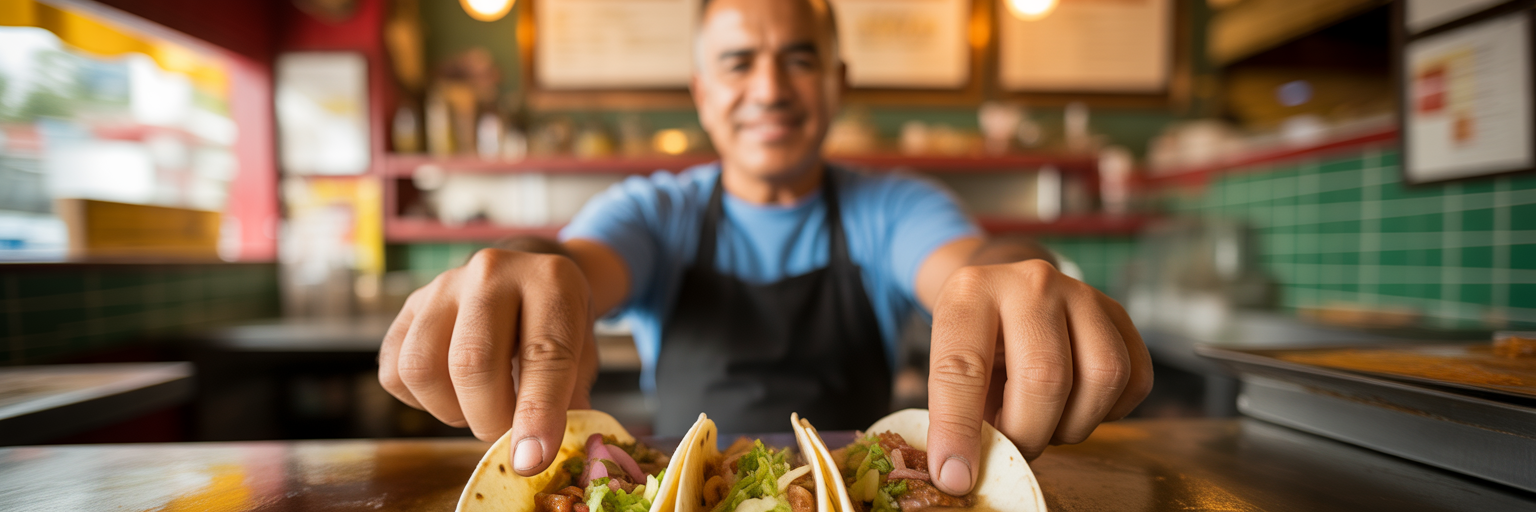
To find the best local restaurants Anaheim has to offer, you have to ignore the chains that line the main tourist drags. Eating like a local means supporting the family-owned spots, historic institutions, and neighborhood joints that have been feeding the community for generations. These places are the heart and soul of the city.
The Neighborhood Taqueria
Every Anaheim local has their go-to taqueria, and a place like Taqueria La Fuente is a perfect example. It’s a no-frills establishment where the focus is entirely on the food. You won’t find trendy decor or craft cocktails here. What you will find are some of the best al pastor tacos in the city, carved straight from the trompo. It’s a place built on generations of tradition, where families and workers line up for authentic, delicious food that feels like home.
A Taste of History: The Anaheim White House
For special occasions, locals turn to the Anaheim White House. This isn’t just a restaurant; it’s a city landmark. Housed in a beautifully restored 1909 mansion, it offers an elegant dining experience that feels both grand and intimate. The Northern Italian cuisine is renowned, but the real draw is the sense of history. Dining here is a community tradition, a place for anniversaries, celebrations, and important milestones. It stands as a living piece of Anaheim’s history.
Iconic Dishes and Local Legends
Some restaurants become legendary for doing one thing exceptionally well. Anaheim has several of these spots. It might be a humble diner known for its legendary pancakes that have been served the same way for fifty years, or a Vietnamese restaurant in Little Saigon that locals swear has the city’s most flavorful pho. These are the places that build their reputation on a single, perfect dish. They are often crowded, unpretentious, and beloved by a fiercely loyal clientele who know they’re getting the best.
The Original Farmers Market: A Community Staple
Located on Harbor Boulevard, the Original Farmers Market is a long-standing collection of food stalls that serves as a community hub for quick, delicious, and affordable meals. It’s a bustling spot at lunchtime, filled with locals grabbing everything from Mexican and Greek to classic American fare. The variety is huge, but the common thread is quality and value. It’s a true melting pot of flavors that reflects the diversity of the city itself.
This table breaks down the different kinds of local dining experiences you can find.
A Local’s Guide to Anaheim’s Dining Scene
| Restaurant Type | What It’s Known For | The Local Vibe |
|---|---|---|
| Family-Owned Taqueria | Authentic, no-frills Mexican food | Casual, busy, and deeply loyal regulars |
| Historic Landmark Dining | Special occasions, Northern Italian cuisine | Elegant, historic, and a community cornerstone |
| Specialty Dish Spot | Perfecting one specific item (e.g., pho, sandwiches) | Focused, often crowded, and built on reputation |
| Community Food Market | Variety of quick, affordable meals | Bustling, diverse, and a lunchtime favorite |
Choosing to eat at these places means you’re not just having a meal; you’re participating in the life of the city. For more authentic guides like this, you can always visit our homepage.
The Rhythm of Daily Life in the City
Understanding a city means getting a feel for its daily rhythm. This final section of our local guide to Anaheim moves beyond places and into the practical, day-to-day experience of what it’s like to live here.
The Pace of Life
The pace of life in Anaheim is a steady, suburban hum. It’s certainly not as frantic as Los Angeles, but it’s far from sleepy. The rhythm is dictated by work commutes, school schedules, and family activities. Weekends are for kids’ soccer games, backyard barbecues, and running errands. There’s a comfortable predictability to it all. It’s a city built for routines and the quiet satisfaction of a well-balanced life.
Community and Friendliness
People in Anaheim are generally down-to-earth and unpretentious. There’s a strong sense of neighborhood identity, especially in the more historic areas, where residents share a deep pride in their community. It’s the kind of place where you get to know your neighbors. While it’s a large city, it often has a small-town feel in its residential pockets. People are friendly but not overly effusive; there’s a genuine, grounded quality to social interactions.
Getting Around: A Realistic Look at Traffic
Let’s be realistic: traffic is a part of life in Southern California. The I-5 freeway, which cuts through the heart of Anaheim, can be a parking lot during rush hour. But locals have their workarounds. A key tip is to master the surface streets. For north-south travel, thoroughfares like Euclid Avenue or Harbor Boulevard can often be a faster and less stressful alternative to the freeway, especially for local trips. A car is essential, but knowing how to navigate beyond the major highways makes all the difference.
Cost of Living and SoCal Weather
While no part of Orange County is truly cheap, Anaheim generally feels more affordable and practical than the coastal cities. This makes it an attractive option for families and individuals looking for a foothold in Southern California without the sky-high prices of Newport Beach or Laguna Beach. This practicality is complemented by the classic SoCal weather. The year-round mild, sunny climate is a huge part of the lifestyle. It encourages an outdoor-oriented culture, from dining on restaurant patios to spending weekends at local parks and hosting gatherings in the backyard.
Experiencing Anaheim like a local means looking past the obvious. It’s about appreciating the balance between its big-city amenities and its grounded, community-focused heart. It’s a city of quiet history, proud neighborhoods, and authentic experiences waiting just beyond the tourist trail.