An Introduction to Sedona’s True Character
Most people first hear about Sedona, Arizona, through a postcard image of red rocks or a story about energy vortexes and crystal shops. That version of Sedona absolutely exists, and it’s concentrated almost entirely along the Highway 89A strip in Uptown. But for those who live here, that’s just the glittering facade. The town’s authentic identity is found in the quiet canyons, the dusty trailheads, and the everyday spaces where the community’s heart beats, far from the tour bus routes. This guide is designed to help you experience that character, much like our other city guides that focus on local perspectives.
The community is far more complex than the “new age” stereotype suggests. Sedona is a blend of distinct, yet coexisting, groups. You have dedicated artists whose families helped establish the town as a creative haven decades ago, their studios tucked away on quiet dirt roads. There are serious outdoor adventurers, drawn by a world-class trail system that offers endless challenges. You’ll also find spiritual seekers looking for genuine connection, who meditate at dawn far from any commercialized vortex tour. And, of course, there are the multi-generational families who have ranched and farmed this land long before it became a famous destination.
This blend of tradition and modernity is seen in how residents manage their practical affairs. Artists, entrepreneurs, and remote professionals all call this place home, and they often rely on secure financial services to protect their assets while enjoying the town’s serene lifestyle. The reality of living in Sedona, Arizona, is about finding that balance between the profound and the practical.
To understand Sedona, you have to acknowledge its history. The ancient Sinagua people left their mark with cliff dwellings that still stand as a quiet, powerful presence in the landscape. Later, pioneer families like the Jordans and the Schneblys (for whom the town’s first postmistress, Sedona Schnebly, is named) established its agricultural roots. By the mid-20th century, it had transformed into a significant art colony, attracting creatives who were inspired by the dramatic scenery. This history explains the deep local appreciation for both nature and human creativity.
From a resident’s viewpoint, the town has a clear layout. Uptown is the tourist core, packed with galleries, souvenir shops, and restaurants with great views but often high prices. West Sedona, a sprawling area along the same highway, is where locals actually live. It’s where you’ll find the grocery stores, the post office, the library, and the neighborhood restaurants we depend on. A few miles south is the Village of Oak Creek, a separate community with its own distinct, slightly quieter vibe and fantastic access to some of the area’s best trails. Knowing the difference between these three areas is the first step in navigating this unique place and is fundamental to any useful Sedona travel guide.
Local-Approved Ways to Spend Your Time
When you ask a local what to do in Sedona, you won’t get a list of attractions. You’ll get a description of experiences, rituals, and routines tied to the landscape and the community. It’s less about seeing the sights and more about finding a rhythm that connects you to the place. Just as residents in other unique towns find their favorite outdoor escapes, people in Sedona have their go-to spots. You can see a similar local pride in our guide exploring Wichita Falls, Texas, where community parks are central to daily life.
Hiking Beyond the Crowds
Yes, Devil’s Bridge and Cathedral Rock are stunning. We know. We also know that trying to hike them on a Saturday in April is a recipe for frustration. The local strategy is simple: go at sunrise on a Tuesday or skip them altogether during peak season. For an equally breathtaking experience without the crowds, try the Mescal Mountain Loop. It offers incredible 360-degree views and a sense of solitude that’s hard to find on the more famous trails. The network of trails off Dry Creek Road also provides miles of beautiful, quiet hiking where you’re more likely to see a javelina than a line of people waiting for a photo.
Weekend Rituals of a Sedona Resident
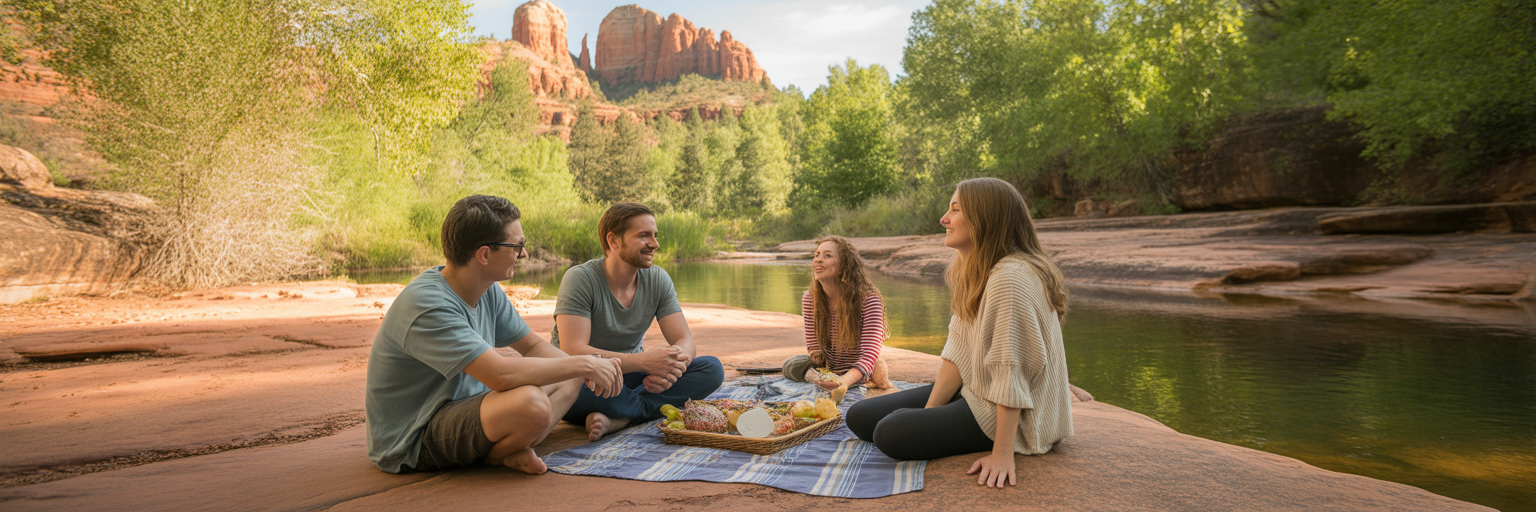
A typical weekend for a local often starts on Friday morning at the Sedona Community Farmers Market at Tlaquepaque North. It’s less of a shopping trip and more of a social hour, where you catch up with neighbors while picking up fresh produce and local honey. Afterward, many of us grab a coffee from an independent cafe in West Sedona before planning the rest of the day. A favorite weekend activity is packing a simple picnic and heading to Red Rock State Park. While tourists snap photos from the main viewing areas, locals find a quiet spot by the creek to relax, read a book, and let the afternoon unfold.
Community Events with Local Soul
The town’s calendar is filled with events, but only a few are true community touchstones. The Sedona International Film Festival is a big one, a time in late winter when the whole town buzzes with creative energy. On a smaller scale, the First Friday art walks in the gallery district are a monthly ritual. It’s a chance to see new work from local artists, enjoy a glass of wine, and feel the creative pulse that has defined Sedona for generations. You’ll also find live music tucked away in the courtyards of local restaurants, offering a low-key way to spend an evening.
Enjoying Oak Creek Like a Local
Slide Rock State Park is an iconic summer spot, but its popularity means it’s often packed. Locals have a different relationship with the water. We know the quieter access points along Oak Creek that offer a more peaceful escape from the summer heat. Spots like Grasshopper Point or the serene areas around Chavez Crossing are perfect for a refreshing swim without the chaos. For a perfect, crowd-free creek day, locals follow a simple plan:
- Pack light: a towel, water, and a good book are all you need.
- Go on a weekday morning or late afternoon to avoid the midday rush.
- Explore the smaller, unmarked pull-offs along the creek to find your own private spot.
- Leave no trace. The beauty of these places depends on everyone respecting them.
Discovering Sedona’s Quieter Corners and Hidden Gems
Beyond the well-trodden paths are the Sedona hidden gems that reveal the town’s quieter, more contemplative side. These are the places residents cherish, the local spots in Sedona that offer a deeper connection to the area’s history and natural beauty. Finding them requires a willingness to look beyond the main attractions.
Scenic Drives the Tour Buses Miss
While the Red Rock Scenic Byway (Highway 179) is beautiful, it’s also busy. For a truly memorable drive, take Schnebly Hill Road. A word of caution: this is a rough, unpaved road that absolutely requires a high-clearance vehicle. The reward for the bumpy ride is a breathtaking overhead perspective of the Sedona valley that few visitors ever see. For a completely different experience, the drive along Page Springs Road takes you out of the red rocks and into the Verde Valley wine country. The landscape shifts to lush vineyards and riparian areas along the creek, a surprising and welcome contrast.
Spiritual Sanctuaries Without the Commercialism
For those seeking a moment of genuine reflection, the Amitabha Stupa and Peace Park is a true sanctuary. Tucked away in a quiet West Sedona neighborhood, this volunteer-maintained space is open to everyone for quiet walking and meditation. With its magnificent stupa, prayer wheels, and tranquil pathways, it offers a profound sense of peace without any of the commercialism that can surround the more famous vortex sites. It’s a place built and sustained by the community, for the community.
The Chapel of the Holy Cross: A Local’s Perspective
The Chapel of the Holy Cross is undeniably a major landmark, and its dramatic architecture is something locals appreciate too. But we experience it differently. Instead of visiting midday with the crowds, we go early in the morning, just as the sun is rising. In those quiet moments, you can truly appreciate the building’s stunning integration with the red rocks and feel the peaceful, contemplative atmosphere the architects intended. For us, it’s less of a tourist attraction and more a masterpiece of architectural art and a place for quiet thought.
The Grounded History at the Sedona Heritage Museum
To understand the real story of Sedona, you must visit the Sedona Heritage Museum. Located on the historic Jordan family homestead, it provides a crucial counter-narrative to the purely mystical stories often told about the town. Here, you’ll learn about the community’s pioneer, ranching, and early filmmaking past. You’ll see the tools, photographs, and stories of the hardworking people who built this town from the ground up. It’s a reminder that before Sedona was a world-renowned destination, it was a small, rugged community built on resilience and a deep love for the land.
Where to Eat Like You Live Here: The Best Non-Touristy Restaurants in Sedona
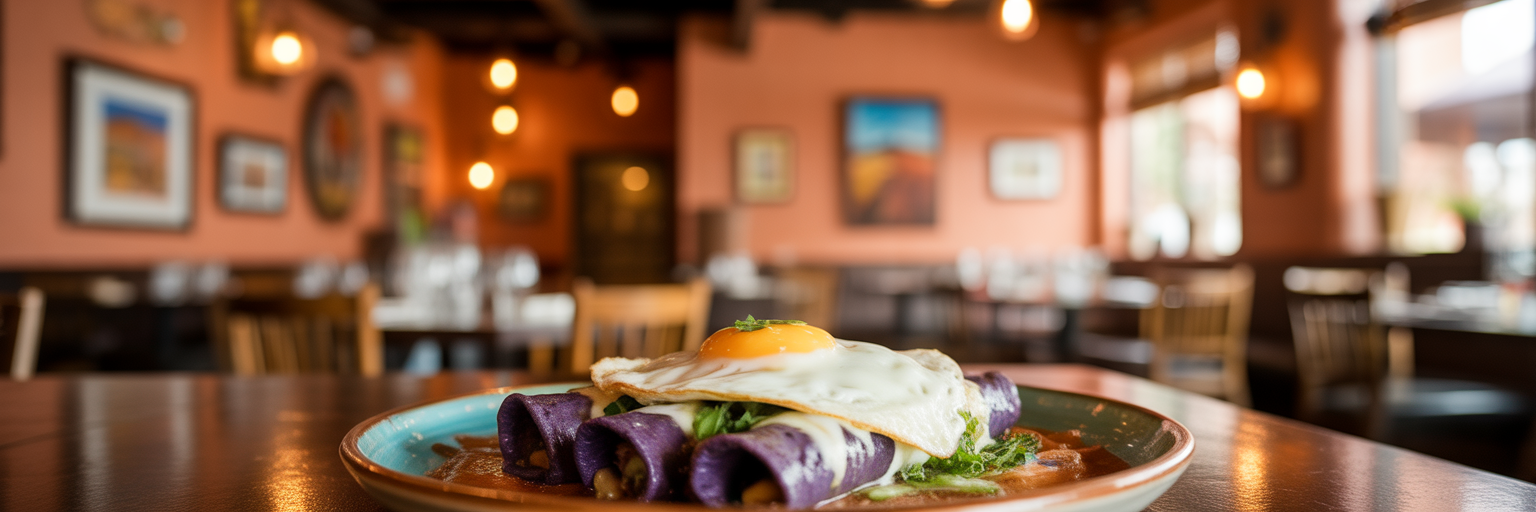
Finding the best non touristy restaurants in Sedona means heading to West Sedona or the Village of Oak Creek, where locals go for a reliable, delicious meal without the Uptown price tag. These are the places with loyal followings, where the owners know their customers by name and the food is consistently good. Forget the places with the biggest signs; these are the spots you’ll return to again and again.
The Morning Ritual: Coffee and Breakfast Burritos
The day in Sedona doesn’t start without a good cup of coffee, and locals have their favorite spots. You won’t find us in a chain. Instead, we’re at the small, independent cafes where the baristas are artists and the atmosphere is welcoming. These places are hubs of morning activity, perfect for grabbing a bite before a hike.
- Local Juicery: While known for its organic juices and smoothies, their coffee is excellent, and the vibe is pure, healthy Sedona. It’s a great place to fuel up for an active day.
- Sedona Crepes: A tiny spot that serves up incredible sweet and savory crepes alongside strong coffee. Their breakfast burrito is a local legend, packed with flavor and perfect for a grab-and-go morning.
Authentic Southwestern and Sonoran Flavors
For authentic Southwestern food, locals look for places that have been around for decades, run by families who have perfected their recipes over generations. Elote Cafe is famous, and for good reason, but getting a table can be a challenge. For a more low-key experience, residents often head to places like Tortas de Fuego, a no-frills spot in West Sedona known for its authentic Mexican street food. The carne asada is a standout, and the variety of salsas is impressive. It’s the kind of place where the focus is entirely on the food, and the flavors transport you straight to Sonora.
Casual Weeknight Dinners Locals Rely On
On a typical Tuesday night, you’ll find locals at one of a handful of reliable spots. Pisa Lisa offers fantastic wood-fired pizzas with creative toppings and a lively, casual atmosphere. It’s a go-to for families and couples alike. For something different, Thai Spices Natural Restaurant has been a Sedona institution for over 20 years, serving healthy and flavorful Thai dishes that have earned it a devoted following. In the Village of Oak Creek, Pago’s Pizzeria & Saloon is a classic neighborhood joint with great pizza, cold beer, and a friendly, unpretentious vibe. These are the places we count on for a good meal without any fuss.
A Special Occasion Spot Worth the Splurge
When locals celebrate an anniversary or a special birthday, we often choose a place that combines exceptional food with a unique sense of place. Mariposa Latin Inspired Grill is one such spot. While it’s certainly popular with visitors for its jaw-dropping views, residents appreciate it for Chef Lisa Dahl’s bold, creative vision and her commitment to quality. The atmosphere is sophisticated yet warm, and the menu, with its focus on South American-inspired grilling, offers something truly special. It’s a place that feels worthy of a celebration, connecting an elegant dining experience with the stunning landscape that defines our town.
The Reality of Daily Life: What It’s Like Living in Sedona, Arizona
The dream of living in Sedona, Arizona, is powerful, but the day-to-day reality is a unique blend of beauty and practicality. Life here moves at a different pace, often referred to as “Sedona time.” It’s a slower, more intentional rhythm dictated by the sun and the seasons, not by a 9-to-5 schedule. The social dynamic is that of a small town; it’s friendly and interconnected, a place where you run into people you know at the grocery store and where supporting local businesses is a deeply held community value.
Coexisting with millions of annual visitors is a skill every resident learns. We have practical strategies to navigate the crowds:
- Strategic Errands: We do our grocery shopping on a Tuesday morning, not a Saturday afternoon.
- Back Road Expertise: We use back roads like Dry Creek Road to bypass the inevitable traffic jams on Highway 89A.
- Early Bird Mentality: We know that if you’re not at a popular trailhead by 9 AM on a weekend, you’re not getting a parking spot.
A realistic check on the cost of living is also important. While Arizona’s taxes are relatively low, Sedona’s housing market is exceptionally expensive. This is largely due to the fact that the town is surrounded by National Forest, which severely limits the amount of private land available for development. There’s also a “Sedona premium” on everyday items, from gas to groceries, which often cost more here than in neighboring towns like Cottonwood.
The high-desert climate profoundly shapes our daily routines. The summer monsoon season brings dramatic afternoon thunderstorms that are both beautiful and powerful. The winters can be surprisingly cold, with occasional snowfall that blankets the red rocks in white, creating a quiet and peaceful “off-season” that locals cherish. The reward for enduring the extremes of summer and winter is the absolute perfection of spring and fall, with their clear skies, mild temperatures, and golden light. These factors combine to create a lifestyle that is both challenging and deeply rewarding.
| Factor | Peak Season (Spring & Fall) | Off-Season (Mid-Summer & Winter) |
|---|---|---|
| Traffic | Heavy congestion on 89A and 179, especially midday and weekends. | Significantly lighter; back roads are helpful but not essential. |
| Trail Access | Popular trailheads (Cathedral Rock, Devil’s Bridge) full by 7 AM. | Parking is generally available, even at popular spots, especially on weekdays. |
| Restaurant Availability | Reservations are essential for dinner, even on weeknights. | Walk-ins are often possible; locals take advantage of specials. |
| Community Vibe | Feels busy and tourist-focused; local events can be crowded. | Quieter, more intimate ‘small town’ feel returns; community events are primarily for residents. |
| Outdoor Activities | Ideal weather for hiking, but requires early starts to avoid heat and crowds. | Summer requires very early starts or enjoying the creek; winter offers unique snow-dusted hikes. |
If this honest approach to travel resonates with you, you might also appreciate our guide to experiencing the real Conroe, Texas, which similarly bypasses the typical tourist narrative.