Understanding The City Different
Let’s get one thing straight right away. Santa Fe is in northern New Mexico, not Texas. It’s the oldest state capital in the United States, and that fact alone sets a certain tone. People who move here or visit often are looking for something that feels more permanent and grounded than what you find in most American cities. This isn’t a place you come to for fleeting trends. You come here for the light, the history, and a pace of life that forces you to slow down and notice things.
More Than Adobe: The Soul of the City
The soul of Santa Fe is a complex blend. It’s a city built on centuries of Native American and Hispanic history, layered with a sophisticated art scene that began attracting painters over a century ago. The air itself feels different. At 7,200 feet, it’s crisp and dry, and in the winter, the entire town is perfumed with the sweet, earthy scent of burning piñon wood. This isn’t just a city. It’s a sensory experience. The feeling is one of quiet confidence, a place that knows exactly what it is and feels no need to shout about it. This is the foundation of any authentic Santa Fe travel experience.
A Visual Language of Earth and Sky
You’ll quickly notice that Santa Fe doesn’t look like anywhere else. Strict building codes mandate the Pueblo Revival adobe style, which could feel restrictive but instead creates a stunningly cohesive landscape. The buildings, all in shades of brown and tan, seem to rise directly from the earth. This visual harmony is intentional. The historic Eastside, with its narrow, winding lanes, feels more like an ancient European village than a modern city. These streets follow the contours of the land and old acequias, or irrigation ditches, rather than a rigid grid. It’s a city designed by geography and history, not by a surveyor’s ruler.
The Local’s Map: Beyond the Plaza
To understand the city like a local, you need a mental map. The Plaza is the historic and spiritual heart, but daily life happens elsewhere. The Railyard District is its contemporary cousin, a hub for art, community gatherings, and the indispensable farmers market. Canyon Road is the famous artery of art galleries, a beautiful walk even if you’re just window shopping. The Southside, along Cerrillos Road, is where most residents live, shop, and run errands. It’s less picturesque but more practical. We know tourism is the city’s engine, but for us, life is about community and a deep connection to the high desert landscape. That connection is something you’ll find in many places, and our collection of city guides can help you find it wherever you go. We also talk openly about the rising cost of living. It’s a real concern, a constant conversation that reminds us this beautiful place is a precious, and sometimes challenging, home.
Local-Approved Ways to Spend Your Time
Figuring out what to do in Santa Fe is less about ticking off a list and more about settling into the local rhythm. We don’t spend our weekends rushing between attractions. We hike, we gather, and we participate in traditions that have been around for generations. You’ll find that the most memorable moments here are often the simplest ones.
The Daily Escape: Dale Ball Trails
For many locals, the Dale Ball Trails are a non-negotiable part of the week. This extensive trail system, just a few minutes’ drive from downtown, is our backyard. It’s where we go for an after work hike to clear our heads or a weekend morning run with the dog. The trails wind through classic piñon and juniper forests, opening up to breathtaking views of the city nestled below and the Jemez Mountains in the distance. It’s not about conquering a peak. It’s about the simple act of walking in the high desert, feeling the sun, and breathing the clean air.
The Plaza as a Public Square, Not a Shopping Mall
While visitors are busy browsing the jewelry under the portal, locals use the Plaza as it was intended: a community gathering space. We grab a bench and watch the world go by. We bring our kids to the free concerts on summer evenings. And on Christmas Eve, we join the quiet, magical procession of the farolito walk, sipping hot cider as the paper lanterns glow against the old adobe walls. It’s a place for connection, not just commerce.
The Saturday Morning Ritual: The Railyard Farmers Market
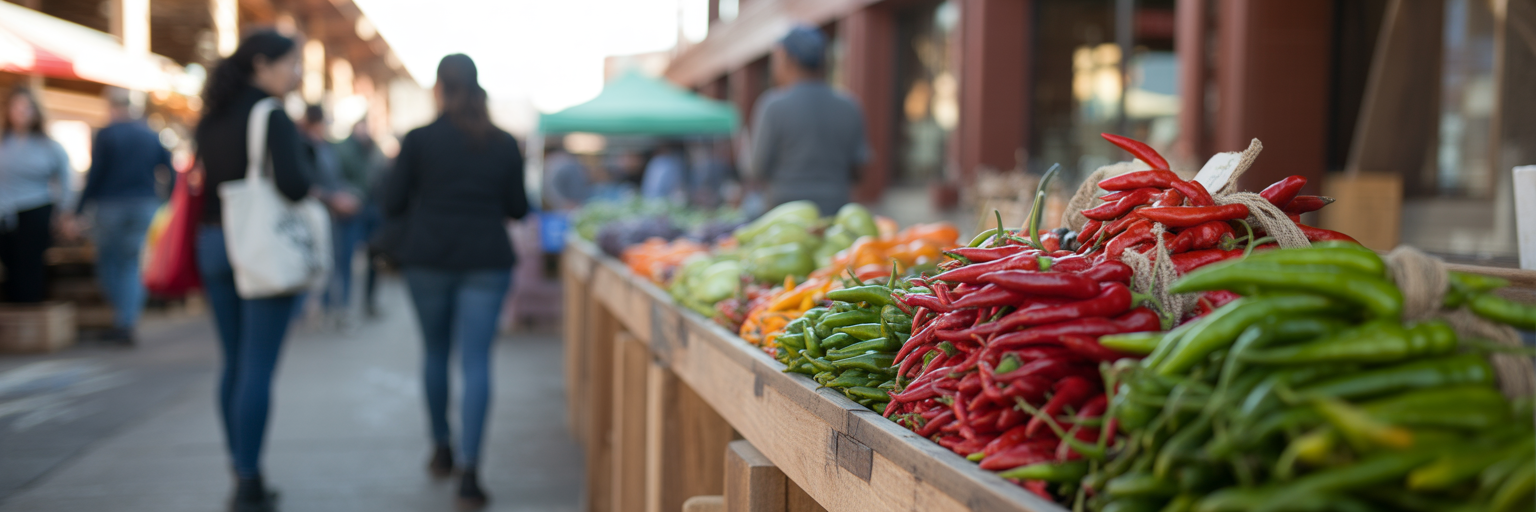
If you want to see the entire city in one place, go to the Railyard on a Saturday morning. The Farmers Market is a weekend institution. The ritual involves grabbing a coffee from a local vendor, stocking up on produce, and inhaling the intoxicating scent of freshly roasted green chile. You’ll see neighbors catching up, families pulling wagons, and chefs picking out ingredients for their menus. It’s a social event as much as a shopping trip. In the summer, the Railyard also hosts free outdoor movies and concerts, turning it into the city’s communal living room.
More Than a Market: A Cultural Cornerstone
The annual Santa Fe Indian Market in August is not just an event. It is a profound cultural touchstone. Locals attend with a sense of reverence, knowing it’s a vital opportunity to support the top Native American artists from across the country. It’s a tradition that is deeply woven into the fabric of New Mexico. Similarly, the International Folk Art Market and Spanish Market are community celebrations we participate in, not just observe. Every city has its own unique traditions, from the high desert to the plains of Texas, as you might discover while exploring Wichita Falls, Texas.
Here are a few other local-approved activities:
- Get a Frito Pie: Head to the Five & Dime on the Plaza. Yes, it’s a bit of a tourist cliché, but it’s also a nostalgic, unpretentious bite of history that many locals still enjoy.
- Catch a Film: Spend an evening at the Jean Cocteau Cinema. Owned by George R.R. Martin, this independent theater shows indie films and hosts author events, offering a more thoughtful experience than a multiplex.
Discovering Santa Fe’s Hidden Corners
The real magic of Santa Fe reveals itself when you step off the beaten path. The city is full of quiet, beautiful spots that most visitors miss. These are the places locals cherish, the hidden gems in Santa Fe that offer a glimpse into the city’s quieter soul. Exploring these corners feels less like sightseeing and more like being let in on a secret.
- Wander Beyond Canyon Road: The main stretch of Canyon Road is lined with world-class galleries, but the real charm is found on the unpaved side streets. Take a slow walk down Camino del Monte Sol or Garcia Street. Here, you’ll find historic adobe homes with colorful gates, private artist studios, and hidden courtyards that feel a world away from the commercial hustle.
- Visit an Overlooked Sanctuary: Most visitors flock to the San Miguel Chapel, the “oldest church.” Instead, find your way to the Santuario de Guadalupe. Located on the west side of the Santa Fe River, it’s one of the oldest shrines dedicated to Our Lady of Guadalupe in the country. Its beautiful, peaceful garden is the perfect spot for quiet reflection.
- Take the Local’s Scenic Drive: When the summer heat sets in or the fall colors arrive, locals head up Hyde Park Road toward the mountains. The drive into the Santa Fe National Forest is our escape route. Make sure to stop at the Vista Grande Overlook. It offers a stunning panoramic view of the entire city and the vast desert landscape stretching out to the west.
- Relax in a Neighborhood Haven: Patrick Smith Park is a simple, unpretentious neighborhood park that you won’t find in any guidebook. It’s where locals walk their dogs, have picnics under the shade of old cottonwood trees, and let their kids run around. It’s a slice of normal, everyday life.
- Find Frenchy’s Field: This park is a local curiosity, named for a French hermit who once lived on the land. It’s a great starting point for a walk or bike ride along the Santa Fe River Trail, another beloved local pathway that follows the often-dry riverbed through the city.
- Walk the ‘Mother Ditch’: The Acequia Madre is the “mother ditch,” an ancient irrigation channel that has watered the gardens of the Eastside for centuries. Walking the narrow dirt path alongside it is like stepping back in time. You’ll see the water flowing into private yards, a quiet reminder of the city’s enduring relationship with its most precious resource.
Where to Eat Like You Live Here
To truly understand Santa Fe, you have to understand the food. And to understand the food, you have to understand chile. It’s the heart and soul of New Mexican cuisine, and finding the best local restaurants in Santa Fe means finding the best chile.
The Chile Doctrine: Red, Green, or Christmas?
The first and most important question you’ll be asked at any traditional restaurant is, “Red, green, or Christmas?” This refers to the chile sauce you want smothering your meal. Green chile is typically hotter and has a fresh, sharp flavor. Red chile is made from dried pods and has a deeper, smokier taste. “Christmas” means you get both, a stripe of red and a stripe of green. This isn’t a condiment. It’s the main event.
The Unwavering Institutions
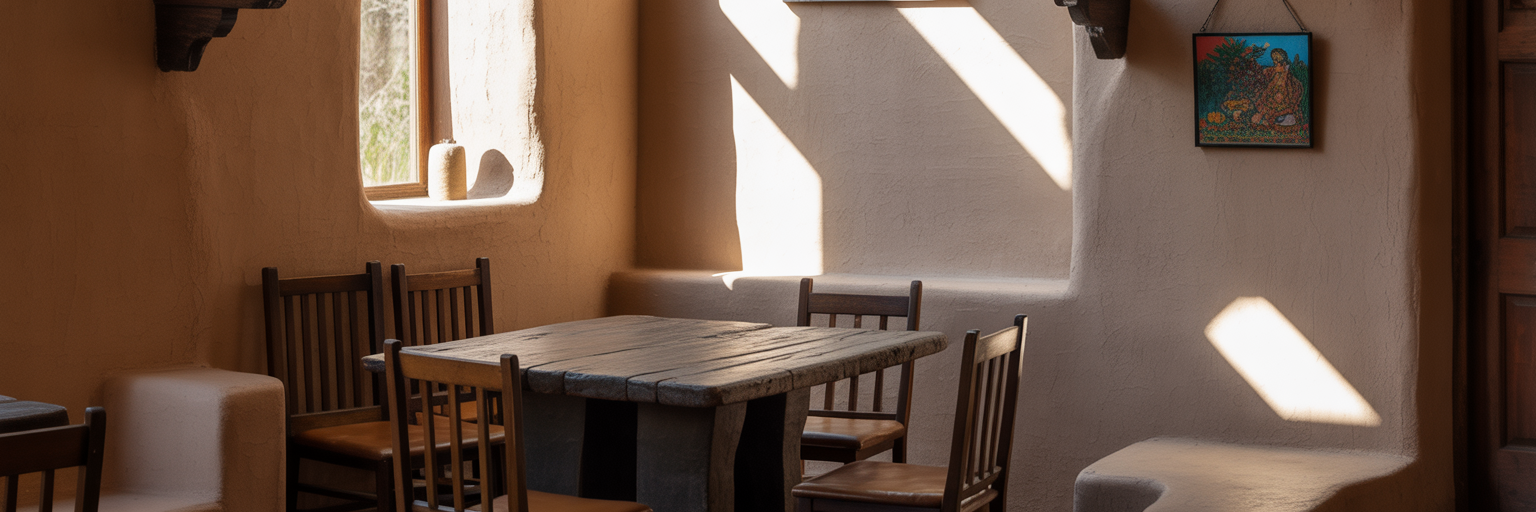
There are certain restaurants that are woven into the city’s identity. At the top of that list is La Choza and its sister restaurant, The Shed. La Choza, located in an old adobe building near the Railyard, is the local favorite for its powerful, flavorful red chile. The wait for a table is almost always long, but no one complains. It’s part of the ritual. Ordering the blue corn enchiladas with an egg on top is a rite of passage.
The City’s Kitchen Table
For breakfast or lunch, the city’s communal dining room is Tia Sophia’s. It’s a no-frills, old-school diner that’s always loud, bustling, and friendly. This is where you go for the definitive Santa Fe breakfast burrito, smothered in their legendary green chile. It’s not fancy, but it’s honest and delicious, and it feels like the whole city is there with you. Another institution is The Pantry, serving up hearty, satisfying meals since the 1940s. It’s the place for classic New Mexican comfort food, like their carne adovada or a green chile cheeseburger.
Upscale, Not Uptight
Even our more upscale spots have a distinctly local feel. Cafe Pasqual’s, just off the Plaza, is popular with visitors, but it has deep roots in the community. With its vibrant, colorful interior and commitment to organic, locally sourced ingredients, it remains a beloved institution. The large communal table in the center of the room ensures a lively, shared experience that feels authentically Santa Fe. As noted by food publications like Eater, Santa Fe’s dining scene is defined by such authentic establishments. A final tip: don’t be afraid to explore the unassuming spots on the Southside or along Cerrillos Road. A hand-painted sign and a parking lot full of local license plates are the best reviews you can find. Exploring local food scenes is one of the best ways to connect with a place, a mission we champion at When In Your City.
| Restaurant | The Vibe | Must-Try Dish | The Local Take |
|---|---|---|---|
| La Choza / The Shed | Bustling, historic adobe, always a wait | Red Chile Blue Corn Enchiladas | The undisputed king of red chile. The wait is part of the experience. |
| Tia Sophia’s | Old-school, no-frills diner, loud and friendly | Breakfast Burrito (smothered, with bacon) | The definitive Santa Fe breakfast. This is where the city starts its day. |
| The Pantry | Classic American diner meets New Mexican comfort | Carne Adovada & Eggs | A reliable institution for over 70 years. It’s where you go when you’re truly hungry. |
| Cafe Pasqual’s | Vibrant, colorful, and crowded with shared tables | Chorizo Burrito or Mole Enchiladas | A bit more upscale, but a beloved spot for a special breakfast or lively dinner. |
The Rhythm of Daily Life in Santa Fe
Beyond the restaurants and hiking trails, there’s a distinct texture to living in Santa Fe NM. It’s a lifestyle defined by a slower clock, a deep respect for the seasons, and a conscious trade-off between cost and quality of life. It’s not for everyone, but for those who choose it, it’s everything.
On ‘Santa Fe Time’
You’ll hear people talk about “Santa Fe time,” and it’s a real thing. Life moves at a more deliberate pace here. Punctuality is a softer concept, and it’s not uncommon for conversations to start up in the grocery store line. People take the time to connect. This isn’t the hustle of a big city. It’s a place where you’re encouraged to be present, to look up at the sky, and to not rush through your day.
Life by the Seasons
The four distinct high-desert seasons dictate the rhythm of local life more than anything else. Each one brings a different energy to the city.
- Summer: The days are hot and intensely bright, but relief often comes with dramatic afternoon monsoon thunderstorms. Locals watch the clouds build over the mountains, a daily spectacle that cools the air and brings the scent of wet earth.
- Autumn: This is arguably the most glorious season. The air turns crisp, the skies are a piercing blue, and the aspens in the mountains turn a brilliant gold. It’s the season for hiking and enjoying the perfect, clear weather.
- Winter: Our winters are cold but sunny. Snowfalls are infrequent but magical, blanketing the brown adobe in a layer of white. Life moves indoors, centered around the warmth of kiva fireplaces.
- Spring: Spring is our least-loved season. It’s windy, dusty, and unpredictable. But we accept it as the necessary, blustery transition to the beauty of summer.
The Cost of Beauty and Community
It’s important to be honest about the challenges. The cost of living, particularly housing, is high, and it’s a constant topic of conversation among residents. But people make it work because of the trade-offs. What you get in return is unparalleled access to nature, a world-class arts and culture scene, and a strong, supportive community. The people here are a mix of multi-generational families, artists, writers, spiritual seekers, and outdoor lovers. We are friendly but also value our privacy. Traffic is minimal by big-city standards, though we all know to avoid Cerrillos Road during rush hour. Ultimately, living in Santa Fe is a conscious choice for a certain quality of life, a spirit quite different from what you might find in a place like Temple, Texas. It’s this shared value that forges the city’s unique and resilient community.