The True Spirit of New Braunfels
New Braunfels sits comfortably between Austin and San Antonio, but it moves to a completely different rhythm. It’s not just a stopover; it’s a destination with its own distinct soul, a unique blend of deep-rooted German heritage and the laid-back culture of the authentic Texas Hill Country. To understand this place, you have to slow down and appreciate that its history isn’t confined to museums. It’s a living part of the city.
Founded in 1845 by German settlers, that history is visible everywhere you look. You can see it in the half-timbered architecture downtown and hear it in the street names like Seguin and Castell. These aren’t just historical footnotes; they are daily reminders of the town’s origins, woven into the community’s identity. This is a place that values tradition, where annual events feel more like family reunions than public festivals.
The true lifeblood of New Braunfels, however, is its rivers. The Comal and the Guadalupe are not just recreational attractions. They are the town’s communal backyard, the place where everyone gathers to cool off during the long, hot Texas summers. The Comal River, famously one of the shortest rivers in the United States, is a spring-fed artery that flows right through the heart of the city. For locals, a day on the water isn’t a novelty; it’s a ritual. This New Braunfels local guide is about embracing that river-centric lifestyle and engaging with the history that makes this town feel so grounded.
Embracing the Local River Culture
Floating the river is the quintessential New Braunfels experience, but locals approach it very differently than tourists. It’s less about the party and more about a relaxing social cool-down. Understanding the nuances of the two main rivers is the first step to enjoying them properly.
Choosing Your River: Comal vs. Guadalupe
The choice between the Comal and the Guadalupe depends entirely on the experience you want. The Comal River is spring-fed, so its water is consistently clear and refreshingly cool, not cold. It’s a gentle, shorter float, usually lasting about two hours, which makes it perfect for families or anyone looking for a low-key afternoon. The Guadalupe, on the other hand, is a much longer and more varied river. Its water is colder, released from the bottom of Canyon Lake, and it offers everything from calm, lazy stretches to small, fun rapids. A float on the Guadalupe is more of an all-day commitment and appeals to those seeking a bit more adventure.
Insider Tips for a Perfect Float
To float like a local, you need to know a few tricks. These simple Comal River tubing tips can make the difference between a frustrating day and a perfect one.
- Go on a weekday. If you can, float on a Tuesday or Wednesday morning. The weekend crowds are intense, but on a weekday, you might have long stretches of the river almost to yourself.
- Use smaller, local outfitters. Avoid the massive commercial operations with huge parking lots. Smaller, family-run shuttle services are often quicker, friendlier, and know the less-congested entry and exit points.
- Pack smart and light. All you really need are water shoes (the riverbed is rocky), sunscreen, and a reusable water bottle. Glass and styrofoam are banned, and locals take pride in keeping the rivers clean.
The Unwritten Rules of the River
Beyond the official regulations, there’s a local etiquette to floating. The core philosophy is “leave no trace.” Pack out everything you bring in. Be mindful of the homes that line the riverbanks; their backyards are not public rest stops. The general vibe is social and friendly, but not disruptive. A floating cooler with drinks is common, but blasting music is generally frowned upon. It’s about respecting the nature and the community that calls the river home.
Community Life in Parks and Open Spaces
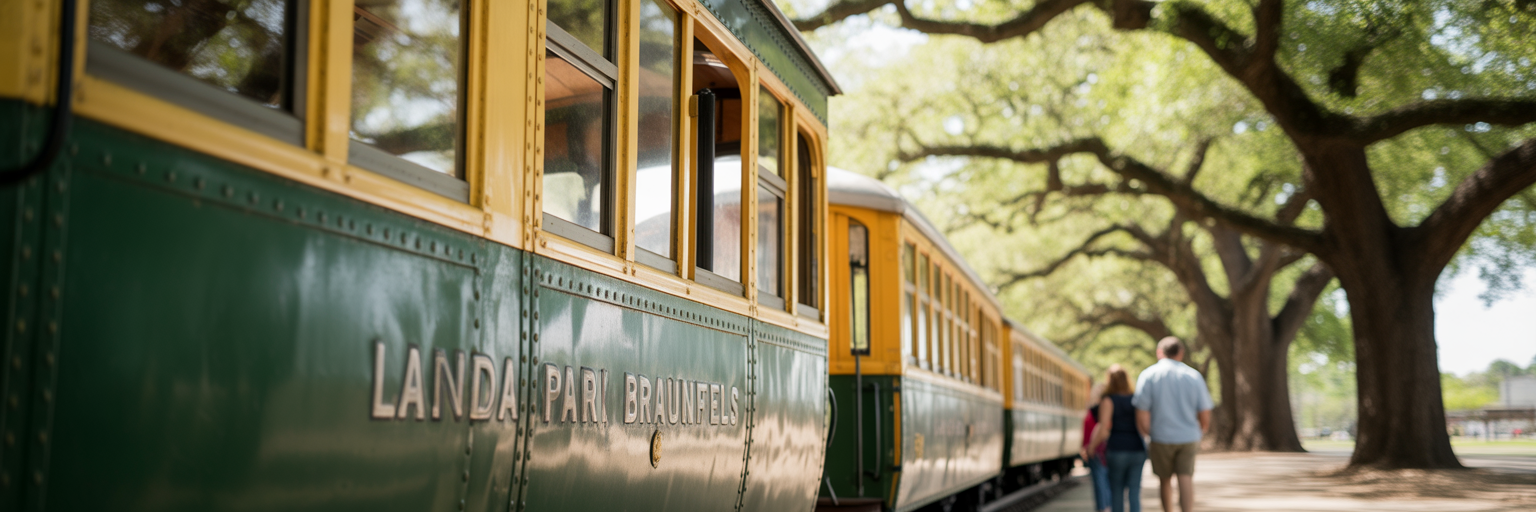
While the rivers are central, the city’s parks are where daily life unfolds. These green spaces are more than just recreational areas; they are the connective tissue of the community, where residents gather, relax, and maintain the town’s close-knit feel.
Landa Park: The City’s Green Heart
Landa Park is the soul of New Braunfels. On any given morning, you’ll see seniors walking the shaded trails, while families gather for picnics under the sprawling, ancient oak trees. There’s a nostalgic charm to the park, especially when you see kids riding the miniature train, a tradition that has spanned generations. The Landa Park Aquatic Complex, with its spring-fed pool, is a cherished local institution. It offers a calmer, more controlled swimming experience than the rivers, and it’s where countless local children have learned to swim. As National Geographic noted when covering the area, the city’s unique relationship with its water sources, which feed directly into the park, is a defining feature of its German-influenced culture.
Beyond the Main Park: Quiet Escapes
While Landa Park is the main hub, locals have their other favorite spots. Fischer Park is popular with families for its splash pad and fishing ponds, offering a modern alternative for outdoor fun. For those seeking quiet river access away from the tubing crowds, Cypress Bend Park is a beautiful spot with stunning cypress trees lining the banks of the Guadalupe. It’s in these smaller parks that you’ll often find community events like farmers’ markets or free concerts, gatherings that are more for residents than for tourists and truly capture the town’s spirit.
The Living History of Gruene and Downtown
New Braunfels has two historic hearts: the famous Gruene Historic District and the city’s actual downtown core. Locals appreciate both, but they experience them in their own way, far from the typical tourist trail.
Experiencing Gruene Like a Resident
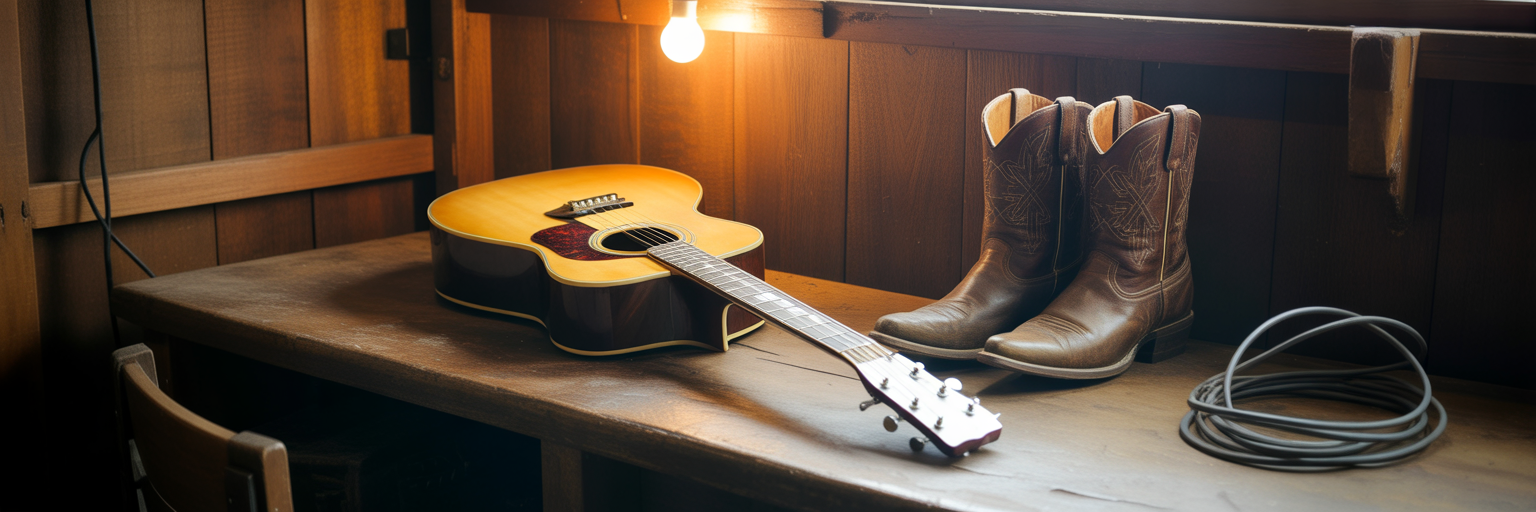
Gruene is undeniably popular, but for a resident, it’s not a weekend destination. The real magic of the Gruene Texas historic district is found on a weeknight. Instead of fighting the crowds for a big concert at Gruene Hall, locals will go on a Tuesday to catch a local band, where there’s plenty of room to two-step on the worn, historic wooden floors. They browse the independent shops for unique gifts, not souvenirs, and enjoy a quiet meal on a patio overlooking the river when the day-trippers have gone home.
The Enduring Charm of Downtown New Braunfels
The main downtown plaza, centered around the historic Comal County Courthouse, is the functional heart of the community. San Antonio Street is wonderfully walkable, lined with shops and restaurants that have been there for years. This is where real life happens. The Saturday morning farmers’ market is a perfect example. It’s as much a social event as it is a place to shop, where neighbors catch up while buying fresh produce and local honey. These historic areas aren’t preserved relics; they are active, breathing parts of the city.
Discovering New Braunfels’ Underrated Spots
To truly get a feel for New Braunfels, you have to explore the places that don’t make it into most travel brochures. These are the spots locals cherish for their quiet beauty and authentic character. A drive along River Road in late fall, for instance, is a completely different experience than in the summer. The cypress trees turn a brilliant orange, the road is quiet, and the low sun on the water is beautiful. It’s a classic local escape.
Another hidden gem is the Faust Street Bridge. This historic iron truss bridge is now open only to pedestrians and cyclists, offering peaceful, elevated views of the Guadalupe River. It’s the perfect place for a quiet morning walk or a photo opportunity away from the crowds. When the city rivers are packed in July, locals head to Canyon Lake. Just a short drive away, it’s the go-to for boating, fishing, or finding a secluded cove for a swim. Exploring the quiet, tree-lined streets in the historic residential areas just west of downtown also reveals the true character of the city, with charming older homes and a palpable sense of peace.
Where the Locals Actually Eat
To find the best local restaurants New Braunfels has to offer, you have to follow one simple rule: no chains. The places that define the city’s food scene are institutions, woven into the community’s fabric for generations. These are the spots with history, loyal followings, and dishes that taste like home.
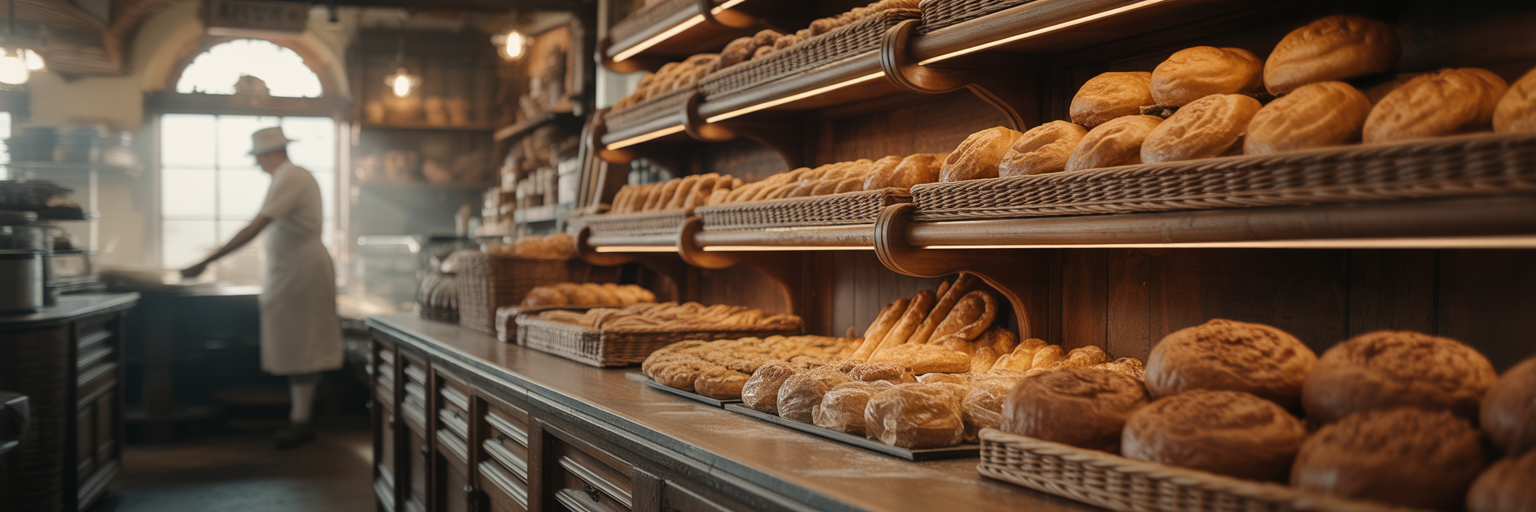
You have to start at Naegelin’s Bakery, the oldest bakery in Texas. Walking in is a sensory experience; the smell of fresh-baked strudel and pfeffernüsse cookies has been drawing people here since 1868. It’s more than a bakery; it’s a morning ritual and a community landmark. For a special occasion, locals still love The Gristmill River Restaurant & Bar. While popular with visitors, its unbeatable setting in a historic cotton gin overlooking the Guadalupe and its reliable comfort food make it a perennial favorite. For a more casual vibe, The Phoenix Saloon is a beloved institution. Famous for being one of the first bars in Texas to serve women, it’s now a go-to for great burgers, cold beer, and live music in a room that feels full of stories. As publications like Texas Monthly have often highlighted, the city’s German culinary heritage is a cornerstone of its cultural identity, and places like Krause’s Cafe, with its massive biergarten and authentic German fare, keep that tradition alive.
| Establishment | Known For | The Local Vibe | Don’t Miss Dish |
|---|---|---|---|
| Naegelin’s Bakery | Oldest bakery in Texas (1868) | Nostalgic, community hub, morning ritual | Apple Strudel or Pfeffernüsse cookies |
| The Gristmill | Historic cotton gin setting on the river | Special occasion, scenic dining | Jack Daniel’s Pecan Pie |
| The Phoenix Saloon | Historic saloon with live music | Casual, laid-back, cross-section of town | The Chili Cheeseburger |
| Krause’s Cafe | German food and massive biergarten | Communal, lively, family-friendly | The Jägerschnitzel |
The Rhythm of Everyday Life
Life in New Braunfels moves at an intentionally slower pace. There’s a prevailing culture that values time spent outdoors with family and friends over the constant hustle. This strong sense of community is never more apparent than during major local events like Wurstfest or the Comal County Fair. These aren’t just events; they are homecomings that bring the entire town together, reinforcing a shared identity that has been cultivated for over 175 years.
Practically speaking, the cost of living feels more manageable here than in nearby Austin, and traffic is only a significant issue during the peak summer tourist season. The rhythm of life is dictated by the seasons. Hot summers drive everyone to the water, while mild winters and pleasant springs allow for year-round outdoor activities. Ultimately, experiencing the best things to do in New Braunfels TX is about more than just checking off a list. It’s about embracing a lifestyle connected to history, nature, and community. For travelers looking to explore more destinations with this authentic, local-first approach, platforms like When In City provide comprehensive guides to help you discover the true character of a place.